In today’s interconnected world, video calling has become an indispensable tool for both personal and professional communication. From catching up with loved ones to conducting crucial business meetings, we rely on video calls more than ever. However, with this increased reliance comes the critical need to ensure that these conversations remain private and secure. This blog post will delve into the vital aspects of secure video calling, providing practical insights and actionable steps to protect your virtual interactions.
Understanding the Importance of Secure Video Calling
Why Security Matters in Video Communication
The rise in video conferencing has unfortunately also attracted unwanted attention from cybercriminals. Without proper security measures, your video calls could be vulnerable to eavesdropping, data breaches, and even impersonation. Think of it this way: a face-to-face conversation in a secure room is analogous to a secure video call. You wouldn’t discuss sensitive information in a public place, so why risk it online?
- Data breaches can lead to the exposure of sensitive personal and business information.
- Eavesdropping can compromise confidential conversations, potentially impacting negotiations, strategic planning, and competitive advantage.
- Impersonation can be used for malicious purposes, such as social engineering attacks or spreading misinformation.
Statistics on Video Conferencing Security Threats
The numbers paint a clear picture of the growing threat landscape. According to recent reports:
- Zoom bombing incidents spiked significantly during the pandemic, highlighting the vulnerabilities of poorly secured platforms.
- Data breaches related to video conferencing platforms have increased by over 30% in the past year, signaling a trend that requires urgent attention.
- Studies show that a significant percentage of organizations are unaware of the security features available on their video conferencing platforms.
Key Security Features to Look For
End-to-End Encryption (E2EE)
End-to-end encryption is arguably the most crucial security feature for video calling. It ensures that only the sender and receiver can decrypt the content of the communication. Even the service provider cannot access the data. Look for platforms that clearly state they use E2EE.
- How it works: Data is encrypted on the sender’s device, travels in an encrypted form, and is decrypted only on the receiver’s device.
- Practical Example: Signal, a popular messaging app, uses E2EE by default for all calls and messages.
Meeting Passwords and Waiting Rooms
Meeting passwords and waiting rooms add an extra layer of protection by controlling who can join your video calls. Meeting passwords require participants to enter a specific code to gain access, while waiting rooms allow hosts to screen participants before admitting them to the call.
- Benefits of Passwords: Prevents unauthorized access from individuals who may have obtained the meeting link.
- Benefits of Waiting Rooms: Gives the host the ability to verify each participant’s identity before allowing them to join the call.
- Actionable Tip: Always enable both meeting passwords and waiting rooms for sensitive or confidential meetings.
Two-Factor Authentication (2FA)
Two-factor authentication adds an additional security layer to your account by requiring a second form of verification, such as a code sent to your phone, in addition to your password. This makes it significantly harder for hackers to gain access to your account, even if they have your password.
- How it works: After entering your password, you’ll be prompted to enter a code sent to your phone, generated by an authenticator app, or verified through another device.
- Practical Example: Most major video conferencing platforms offer 2FA as an option. Be sure to enable it in your account settings.
Data Privacy Policies and Compliance
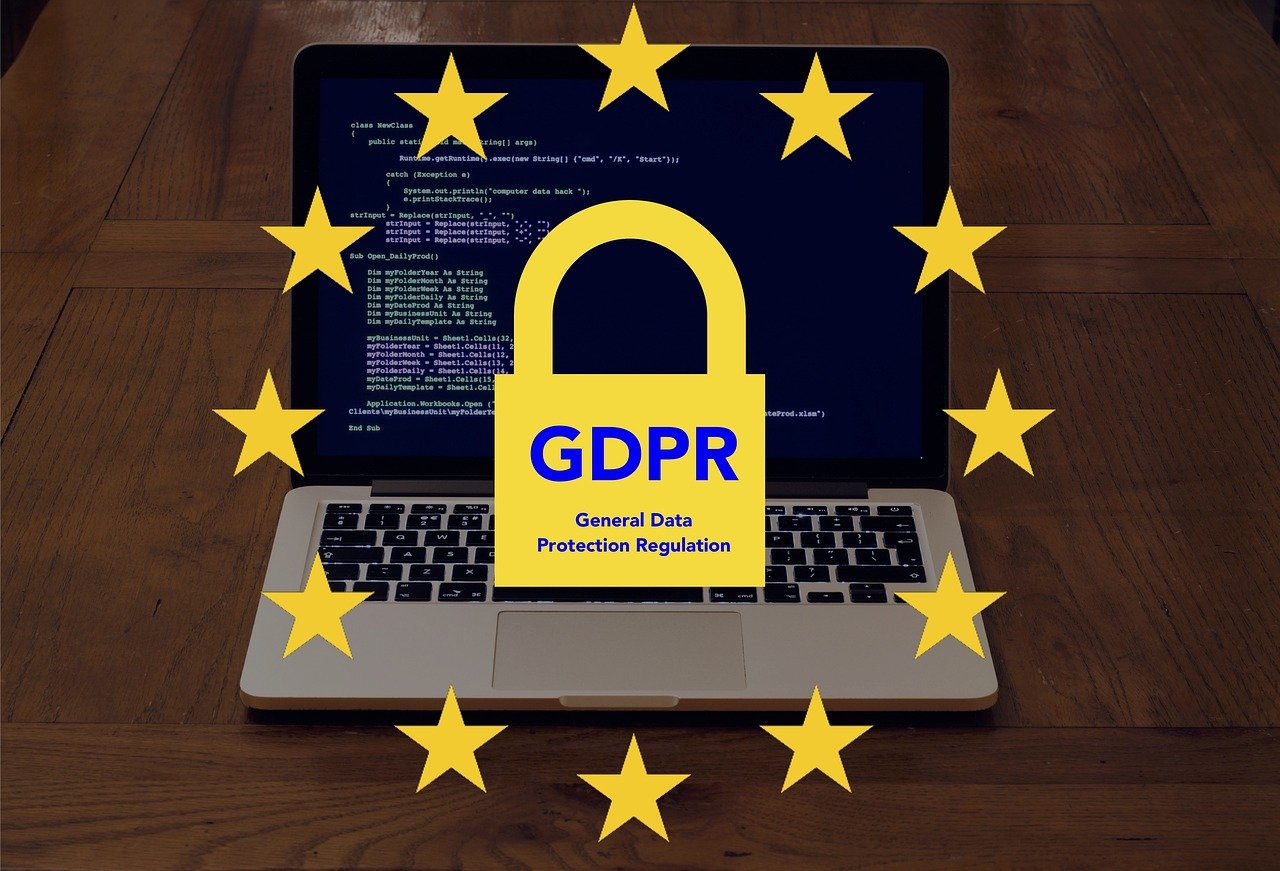
It’s essential to understand how your video conferencing provider handles your data. Read their privacy policy carefully to understand what data they collect, how they use it, and with whom they share it. Look for providers that comply with relevant data privacy regulations, such as GDPR or CCPA.
- Key questions to ask:
Where is my data stored?
How long is my data retained?
Do you share my data with third parties?
Do you comply with relevant data privacy regulations?
Best Practices for Secure Video Calling
Secure Your Network and Devices
The security of your video calls is only as strong as the security of your network and devices. Make sure your Wi-Fi network is password-protected and uses WPA3 encryption. Keep your operating systems, browsers, and video conferencing apps up to date with the latest security patches.
- Network Security:
Use a strong, unique password for your Wi-Fi network.
Enable WPA3 encryption on your router.
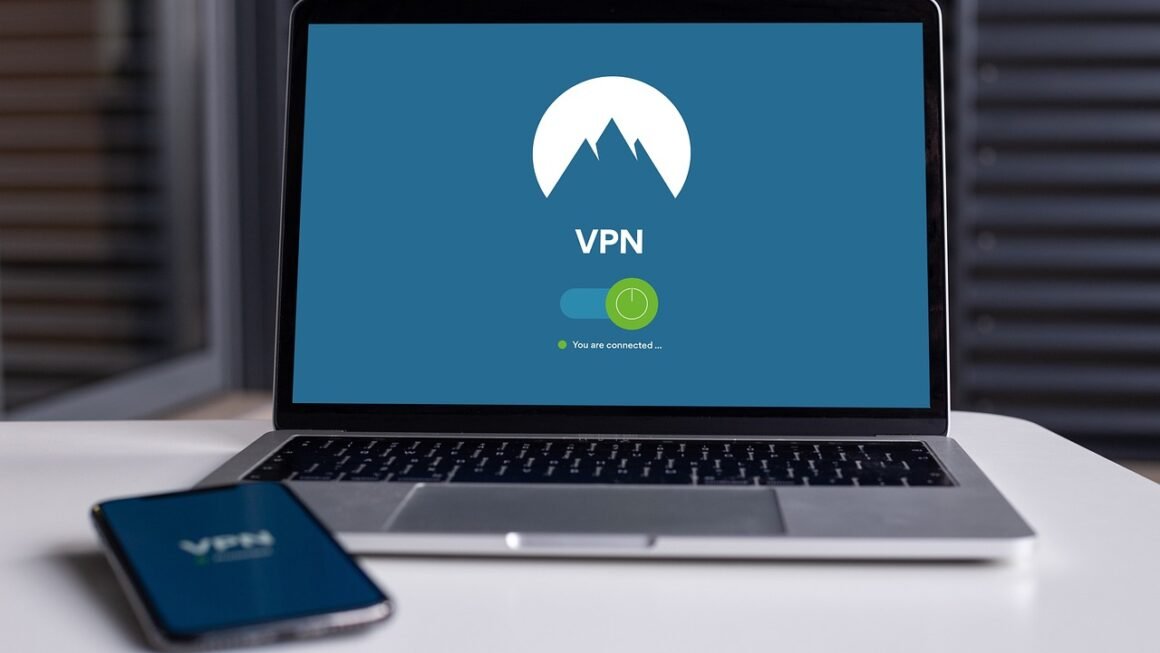
Consider using a VPN (Virtual Private Network) for added security, especially when using public Wi-Fi.
- Device Security:
Install and maintain anti-virus software.
Enable a firewall on your computer.
Be cautious about clicking on suspicious links or opening attachments from unknown senders.
Control Screen Sharing and Camera Access
Be mindful of what you are sharing during your video calls. Avoid sharing sensitive documents or information on your screen unless absolutely necessary. Only grant camera and microphone access to trusted applications. Consider using a physical webcam cover when your camera is not in use.
- Screen Sharing Tips:
Close unnecessary applications before sharing your screen.
Share only the specific window you need to show, rather than your entire desktop.
Disable screen sharing for participants who don’t need it.
- Camera and Microphone Control:
Review app permissions regularly to ensure that only trusted applications have access to your camera and microphone.
Use a physical webcam cover when your camera is not in use.
Educate Users and Enforce Policies
Security is a shared responsibility. Educate your employees or family members about the importance of secure video calling and provide them with training on how to use video conferencing platforms securely. Enforce clear policies regarding the use of video conferencing tools and the handling of sensitive information.
- Training Topics:
How to identify and avoid phishing scams.
How to create strong passwords and enable 2FA.
How to use security features such as meeting passwords and waiting rooms.
How to report security incidents.
Choosing a Secure Video Conferencing Platform
Research and Compare Options
Not all video conferencing platforms are created equal when it comes to security. Do your research and compare different options based on their security features, privacy policies, and compliance certifications. Consider factors such as end-to-end encryption, data privacy practices, and vulnerability disclosure programs.
- Key Factors to Consider:
End-to-end encryption (E2EE)
Data privacy policy
Compliance certifications (e.g., GDPR, CCPA)
Vulnerability disclosure program
Security features (e.g., meeting passwords, waiting rooms, 2FA)
Consider Open-Source Alternatives
Open-source video conferencing platforms offer a higher level of transparency and control over your data. Because the source code is publicly available, anyone can review it for security vulnerabilities. Some popular open-source options include Jitsi Meet and BigBlueButton.
- Benefits of Open-Source:
Transparency and control over your data.
Community-driven security audits and improvements.
* Ability to self-host the platform on your own servers.
Conclusion
Secure video calling is no longer an option but a necessity. By understanding the importance of security, implementing best practices, and choosing the right platform, you can protect your virtual interactions from potential threats. Remember to prioritize end-to-end encryption, strong passwords, two-factor authentication, and a clear understanding of your chosen platform’s privacy policy. Stay informed, stay vigilant, and make secure video calling a cornerstone of your digital communication strategy.