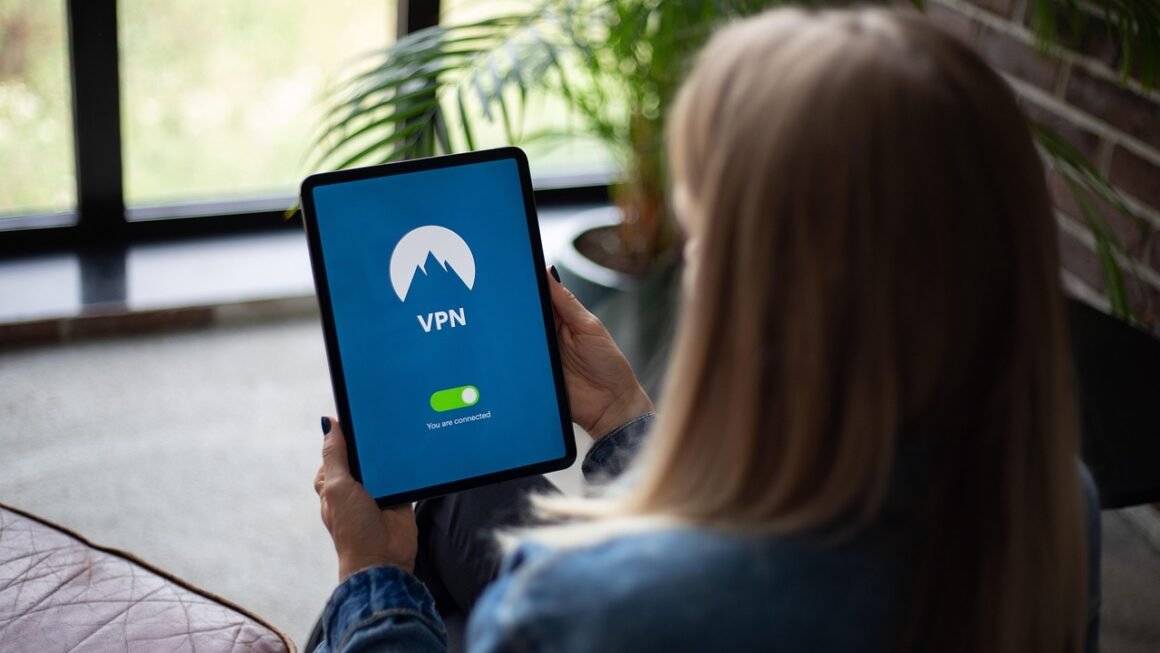
Unblocking websites can feel like navigating a digital maze, especially when you’re facing restrictions at school, work, or even due to geographical limitations. Whether you need access to important resources, social media, or just want to bypass censorship, understanding how to circumvent these blocks is crucial in today’s interconnected world. This guide will walk you through various methods to unblock websites effectively and safely.
Understanding Website Blocking Methods
Website blocking isn’t a one-size-fits-all solution. Different entities employ different methods, and understanding these methods is the first step in finding a way around them.
IP Address Blocking
This is one of the simplest and most common methods. The server (or network administrator) blocks access from specific IP addresses or ranges of IP addresses.
- How it works: When you try to access a website, your IP address is checked against a blacklist. If your IP is on the list, access is denied.
- Example: A school might block access to gaming websites by blacklisting their IP addresses, preventing students from accessing those games on the school network.
- Bypassing it: Using a VPN or proxy server can mask your IP address and allow you to bypass this type of block.
DNS Filtering
DNS (Domain Name System) translates website names (like google.com) into IP addresses. DNS filtering involves blocking specific domain names at the DNS level.
- How it works: When your computer tries to look up the IP address of a blocked website, the DNS server returns an incorrect or non-existent address, preventing you from reaching the site.
- Example: A workplace might block social media sites like Facebook and Twitter by filtering their domain names in the company’s DNS server.
- Bypassing it: You can bypass DNS filtering by using a different DNS server, such as Google’s Public DNS (8.8.8.8 and 8.8.4.4) or Cloudflare’s DNS (1.1.1.1). You can change your DNS settings in your device’s network configuration.
URL Filtering
This method analyzes the URL (Uniform Resource Locator) you’re trying to access and blocks it based on keywords or specific patterns.
- How it works: Firewalls or proxy servers examine the URL and block access if it contains certain keywords or matches predefined rules.
- Example: A library might block access to websites containing adult content by filtering URLs that include words like “sex” or “porn.”
- Bypassing it: Using HTTPS (the secure version of HTTP) can encrypt the URL, making it harder to filter. Additionally, URL shorteners can sometimes help bypass URL filtering, but this is not always reliable.
Deep Packet Inspection (DPI)
This is a more advanced method that analyzes the content of the data packets you’re sending and receiving.
- How it works: DPI examines the actual data being transmitted, looking for specific patterns or keywords that indicate you’re accessing a blocked website.
- Example: A country might use DPI to block access to news websites critical of the government. Even if you use a VPN, DPI can potentially detect the VPN traffic and block it.
- Bypassing it: Bypassing DPI is more challenging. Techniques like using obfsproxy (a Tor pluggable transport) or steganography (hiding data within other data) can help, but these methods require technical expertise and aren’t always foolproof.
Using VPNs to Unblock Websites
A Virtual Private Network (VPN) is one of the most effective and widely used methods for unblocking websites.
How VPNs Work
VPNs create an encrypted tunnel between your device and a VPN server. All your internet traffic is routed through this tunnel, masking your IP address and encrypting your data.
- IP Address Masking: Your real IP address is hidden, and the website sees the IP address of the VPN server instead.
- Data Encryption: All your internet traffic is encrypted, making it difficult for anyone to intercept or monitor your online activity.
- Geographic Location Spoofing: You can choose a VPN server in a different country, making it appear as though you’re accessing the internet from that location.
Choosing a VPN Provider
Selecting the right VPN provider is crucial for security and performance.
- Reputation and Reviews: Look for VPN providers with positive reviews and a good reputation for security and privacy.
- No-Logs Policy: Choose a VPN that has a strict no-logs policy, meaning they don’t track or store your browsing activity.
- Server Locations: Select a VPN with servers in multiple locations to ensure you can access content from different regions.
- Encryption Protocols: Opt for a VPN that uses strong encryption protocols like OpenVPN or WireGuard.
- Pricing: Consider the pricing plans and features offered by different VPN providers. Many offer free trials or money-back guarantees.
Practical Example: Using NordVPN
NordVPN is a popular VPN provider known for its strong security features and extensive server network.
Utilizing Proxy Servers
Proxy servers act as intermediaries between your device and the internet. They can be used to bypass website blocks, but they generally offer less security and privacy than VPNs.
Types of Proxy Servers
There are different types of proxy servers, each with its own characteristics.
- HTTP Proxies: Primarily used for web browsing, they handle HTTP and HTTPS traffic.
- SOCKS Proxies: More versatile than HTTP proxies, they can handle any type of traffic, including email and FTP.
- Transparent Proxies: These proxies don’t hide your IP address and are often used for caching and content filtering.
- Anonymous Proxies: Hide your IP address but may identify themselves as proxies.
- Elite Proxies: Offer the highest level of anonymity by not revealing your IP address or that you’re using a proxy.
Finding and Using a Proxy Server
Finding a reliable proxy server can be challenging.
- Online Proxy Lists: There are websites that list free proxy servers, but these are often unreliable and may be compromised. Use with caution.
- Proxy Browser Extensions: Many browsers offer extensions that allow you to easily connect to a proxy server.
- Manual Configuration: You can manually configure your browser or operating system to use a proxy server. This involves entering the proxy server’s IP address and port number in your network settings.
Example: Setting up a Proxy in Chrome
Exploring Alternative DNS Servers
As mentioned earlier, DNS filtering is a common method of blocking websites. Changing your DNS server can bypass these blocks.
Public DNS Servers
Several public DNS servers are available for free.
- Google Public DNS: 8.8.8.8 and 8.8.4.4
- Cloudflare DNS: 1.1.1.1 and 1.0.0.1
- OpenDNS: 208.67.222.222 and 208.67.220.220
Changing DNS Settings
The process of changing DNS settings varies depending on your operating system.
- Windows: Go to Control Panel > Network and Internet > Network and Sharing Center > Change adapter settings. Right-click on your network adapter and select “Properties.” Select “Internet Protocol Version 4 (TCP/IPv4)” and click “Properties.” Choose “Use the following DNS server addresses” and enter the preferred and alternate DNS server addresses.
- macOS: Go to System Preferences > Network. Select your network connection and click “Advanced.” Click on the “DNS” tab and add the DNS server addresses.
- Linux: The process varies depending on the distribution, but generally involves editing the `/etc/resolv.conf` file or using the network manager.
Benefits of Using Alternative DNS Servers
- Bypassing DNS Filtering: Allows you to access websites blocked by your ISP or network administrator.
- Improved Speed: Some public DNS servers offer faster DNS resolution times, which can improve your browsing speed.
- Enhanced Security: Some DNS servers offer security features like malware blocking and phishing protection.
Using URL Shorteners and Website Archives
These methods are less reliable than VPNs or proxies, but they can sometimes be effective for bypassing simple website blocks.
URL Shorteners
URL shorteners create shorter, masked URLs that redirect to the original website.
- How they work: They can sometimes bypass URL filtering by masking the original URL.
- Examples: Bitly, TinyURL, and Rebrandly.
- Limitations: Not always effective, and some networks may block access to URL shortener services themselves.
Website Archives
Website archives like the Wayback Machine (archive.org) store snapshots of websites at different points in time.
- How they work: You can access archived versions of websites, even if the current version is blocked.
- Limitations: You can only view static content; interactive features and dynamic content won’t work. The archive may not have a recent snapshot of the website.
Conclusion
Unblocking websites requires understanding the methods used to block them and employing the right tools and techniques. While VPNs offer the most comprehensive solution in terms of security and effectiveness, proxy servers and alternative DNS servers can also be useful in certain situations. Remember to consider the risks associated with each method and choose the one that best suits your needs and technical expertise. Always prioritize your online security and privacy when attempting to bypass website blocks.