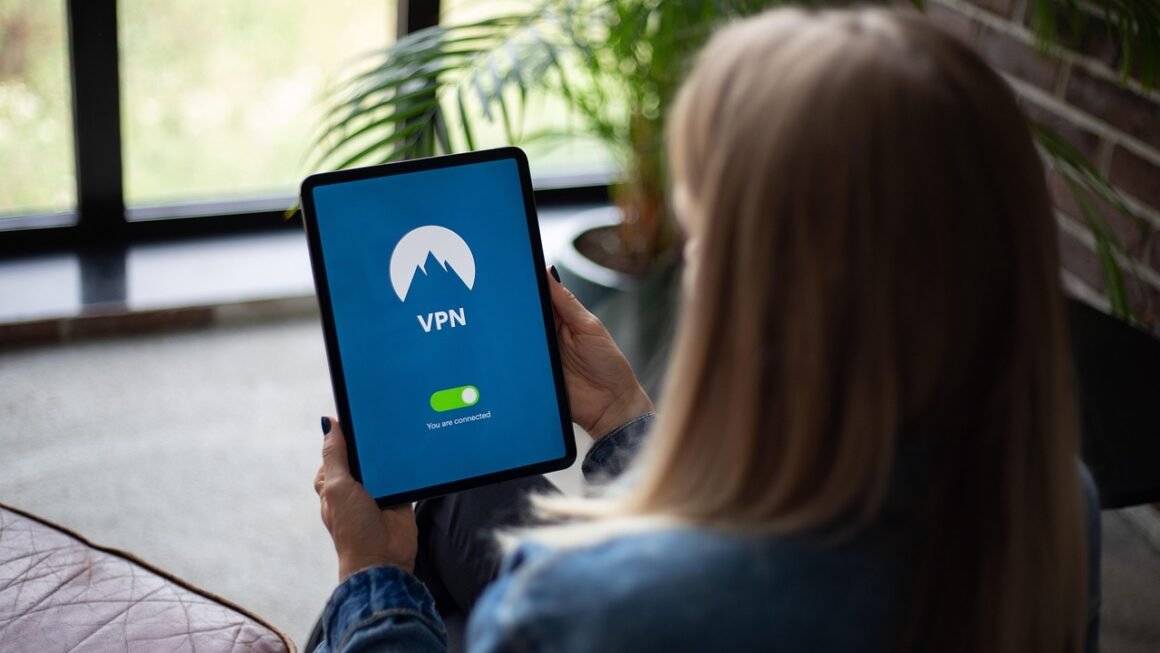
Staying safe and private online is more critical than ever in today’s digital age. Whether you’re concerned about government surveillance, targeted advertising, or simply protecting your personal information, anonymous browsing offers a solution. This guide explores the various techniques and tools you can use to browse the internet anonymously, offering practical advice and insights to help you navigate the web with enhanced privacy.
Understanding Anonymous Browsing
Anonymous browsing involves taking steps to conceal your identity and online activity from being tracked by websites, internet service providers (ISPs), and other third parties. It’s not about engaging in illegal activities; rather, it’s about asserting your right to privacy and control over your data.
Why is Anonymous Browsing Important?
- Protection from Tracking: Websites and advertisers constantly track your browsing habits to create detailed profiles for targeted advertising. Anonymous browsing disrupts this process.
- Security Against Surveillance: Governments and other entities may monitor online activity. Anonymous browsing can help protect you from unwarranted surveillance.
- Circumventing Censorship: In some regions, access to information is restricted. Anonymous browsing tools can bypass censorship filters and provide access to unrestricted content.
- Preventing Price Discrimination: Some websites may adjust prices based on your location or browsing history. Anonymous browsing can help you avoid this.
- Data Privacy: Prevents the collection and sale of your personal browsing data by third parties.
What Anonymous Browsing Is Not
It’s essential to understand that anonymous browsing doesn’t guarantee complete invisibility online. While it significantly enhances your privacy, it’s not a foolproof solution. It mainly focuses on masking your IP address and preventing tracking but doesn’t necessarily protect against all types of cyber threats. Always combine anonymous browsing with other security measures like strong passwords and antivirus software.
Tools for Anonymous Browsing
Several tools and techniques can help you browse anonymously. Each offers varying levels of privacy and security.
Virtual Private Networks (VPNs)
VPNs encrypt your internet traffic and route it through a server in a different location, masking your IP address. This makes it difficult for websites and third parties to trace your online activity back to you.
- How VPNs work: A VPN creates a secure tunnel between your device and a VPN server. All your internet traffic is encrypted and sent through this tunnel, making it unreadable to anyone who might be intercepting it.
- Choosing a VPN provider: Select a reputable VPN provider with a strict no-logs policy, meaning they don’t track or store your online activity. Popular options include ExpressVPN, NordVPN, and Surfshark. Read reviews and compare features before making a decision.
- Using a VPN: Most VPN providers offer easy-to-use apps for various devices, including computers, smartphones, and tablets. Simply install the app, connect to a server, and browse the internet as usual.
- Limitations: Some websites may block VPNs, and using a VPN can slightly slow down your internet speed due to encryption overhead.
Tor Browser
Tor (The Onion Router) is a free and open-source browser that anonymizes your internet traffic by routing it through a network of volunteer-operated servers. This makes it extremely difficult to trace your online activity back to your IP address.
- How Tor works: Tor encrypts your data and routes it through multiple relays (servers) in the Tor network. Each relay only knows the IP address of the previous and next relay, not the entire path.
- Using Tor: Download and install the Tor Browser from the official Tor Project website. The browser is pre-configured for anonymity and automatically connects to the Tor network.
- Benefits: Tor offers a high level of anonymity and is effective at circumventing censorship.
- Drawbacks: Tor can significantly slow down your internet speed due to the multi-layered encryption and routing. Some websites block Tor connections.
Proxy Servers
Proxy servers act as intermediaries between your device and the websites you visit. They hide your IP address by forwarding your requests through their own server.
- Types of Proxy Servers:
HTTP Proxies: Primarily used for web browsing.
SOCKS Proxies: More versatile and can be used for various types of internet traffic.
* Transparent Proxies: Don’t hide your IP address and are often used for caching and content filtering.
- Using a Proxy Server: You can configure your browser or operating system to use a proxy server. Free proxy servers are available, but they often have limited bandwidth and may not be secure.
- Limitations: Proxy servers are generally less secure than VPNs and Tor. They may not encrypt your traffic, and some proxy providers may log your activity.
Configuring Your Browser for Privacy
Even without using VPNs or Tor, you can enhance your privacy by configuring your browser settings and using privacy-focused extensions.
Browser Settings
- Disable Third-Party Cookies: Block third-party cookies to prevent websites from tracking your browsing activity across different sites. In most browsers, this can be found in the privacy settings.
- Enable “Do Not Track” (DNT): While not universally respected, enabling DNT signals to websites that you don’t want to be tracked.
- Clear Browsing Data Regularly: Clear your browsing history, cookies, and cached data regularly to remove traces of your online activity.
- Disable Location Services: Prevent websites from accessing your location data unless absolutely necessary.
Privacy-Focused Browser Extensions
- Privacy Badger: Automatically learns to block trackers and annoying ads that violate your privacy.
- uBlock Origin: An efficient and open-source ad blocker that also blocks trackers and malware domains.
- HTTPS Everywhere: Forces websites to use HTTPS encryption whenever possible, protecting your data from eavesdropping.
- NoScript: Blocks JavaScript execution by default, preventing many types of tracking and malicious scripts. (Use with caution as it can break some websites).
Additional Tips for Staying Anonymous Online
Beyond using the right tools, here are some additional tips for maximizing your online privacy:
- Use a Privacy-Focused Search Engine: Search engines like DuckDuckGo don’t track your searches or personalize results based on your browsing history.
- Be Careful What You Share: Avoid sharing personal information on social media or other online platforms.
- Use Strong, Unique Passwords: Use a password manager to generate and store strong, unique passwords for all your online accounts.
- Enable Two-Factor Authentication (2FA): Add an extra layer of security to your accounts by enabling 2FA.
- Use Encrypted Communication: Use encrypted messaging apps like Signal or WhatsApp (with end-to-end encryption enabled) for secure communication.
- Be Wary of Phishing Scams: Be cautious of suspicious emails or links that may try to steal your personal information.
- Use a Burner Email: Consider using a temporary or “burner” email address for signing up for services you don’t fully trust.
Conclusion
Anonymous browsing is an essential practice for protecting your privacy and security online. By understanding the different tools and techniques available, configuring your browser settings, and following practical tips, you can significantly reduce your digital footprint and control your personal information. Remember that no method is foolproof, so it’s important to combine multiple strategies for the best protection. Stay informed, stay vigilant, and take proactive steps to safeguard your online privacy.