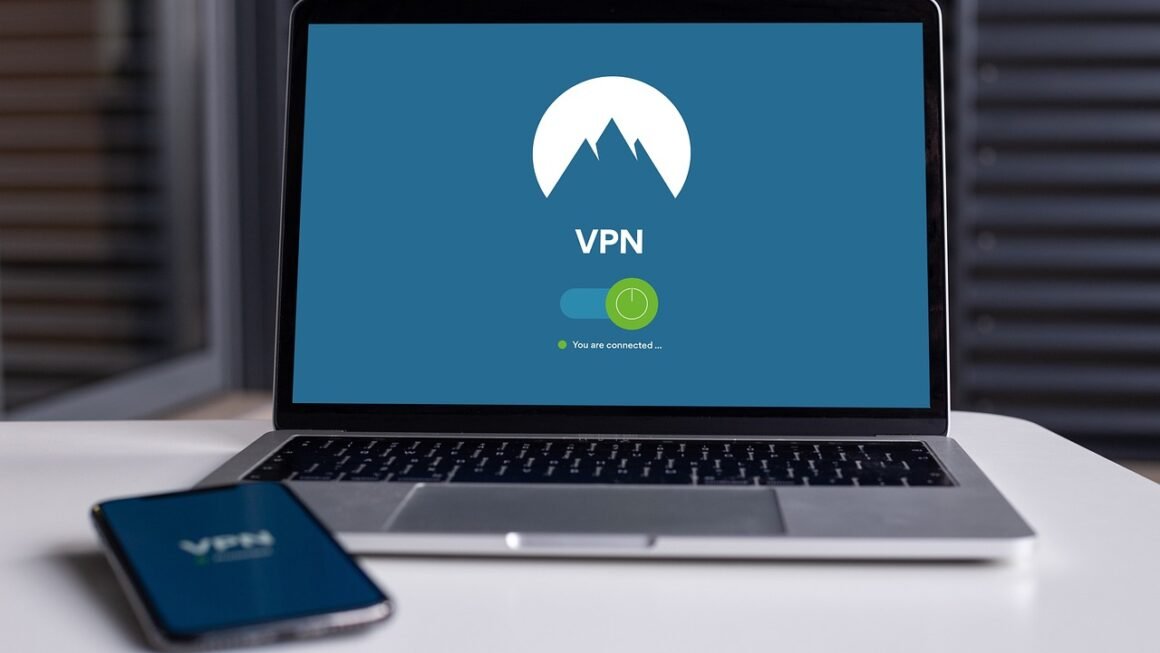
In today’s hyper-connected world, our digital footprint is constantly expanding, and with it, the potential for privacy breaches and data misuse. Protecting your personal information is no longer a luxury but a necessity. Luckily, a growing market of privacy software tools is available to help you reclaim control over your online presence and safeguard your sensitive data. This guide delves into the world of privacy software, exploring its various types, benefits, and how to choose the right solutions for your needs.
Understanding Privacy Software
Privacy software encompasses a broad range of tools designed to protect your personal information online and offline. These tools can help you encrypt your data, mask your IP address, manage your cookies, and prevent unwanted tracking. In essence, they empower you to take proactive steps to control your digital privacy.
What is Personal Data?
It’s crucial to first understand what constitutes personal data. This includes:
- Your name, address, email address, and phone number
- Your browsing history, search queries, and online activity
- Your location data
- Your financial information, such as credit card numbers and bank account details
- Your health information
- Any other data that can be used to identify you
Why is Privacy Software Important?
The importance of privacy software stems from the increasing threats to personal data:
- Data Breaches: Organizations are regularly targeted by cyberattacks, resulting in massive data breaches that expose sensitive information.
- Surveillance: Governments and corporations may engage in surveillance activities, tracking your online behavior and communications.
- Targeted Advertising: Companies use your personal data to create targeted advertising campaigns, potentially manipulating your decisions.
- Identity Theft: Stolen personal data can be used to commit identity theft, leading to financial loss and reputational damage.
- Erosion of Trust: Constant data collection can erode trust in institutions and online platforms.
Types of Privacy Software
The landscape of privacy software is diverse, offering solutions for various aspects of digital privacy. Here are some common types:
Virtual Private Networks (VPNs)
VPNs encrypt your internet traffic and route it through a server in a location of your choice, masking your IP address and making it difficult to track your online activity.
- Benefits: Increased security on public Wi-Fi, access to geo-restricted content, and protection from ISP tracking.
- Example: Using a VPN when connecting to a public Wi-Fi hotspot at a coffee shop prevents hackers from intercepting your data.
- Considerations: VPN speeds can vary depending on server location and provider. Choose a reputable VPN with a no-logs policy.
Password Managers
Password managers store your passwords in an encrypted vault, allowing you to create strong, unique passwords for each of your online accounts.
- Benefits: Enhanced security against password-related attacks, simplified login process, and generation of strong passwords.
- Example: Using a password manager to generate a different, complex password for each website, and then securely storing those passwords within the tool.
- Considerations: Choose a password manager with strong encryption and multi-factor authentication.
Anti-Tracking Software
Anti-tracking software blocks websites and advertisers from tracking your online activity using cookies, trackers, and fingerprinting techniques.
- Benefits: Reduced targeted advertising, improved browsing speed, and enhanced privacy from online tracking.
- Example: Using a browser extension like Privacy Badger or DuckDuckGo Privacy Essentials to automatically block trackers on websites you visit.
- Considerations: Some anti-tracking tools may break website functionality. Whitelisting trusted sites may be necessary.
Encryption Software
Encryption software protects your data by scrambling it into an unreadable format, making it inaccessible to unauthorized parties.
- Benefits: Secure storage and transfer of sensitive data, protection against data breaches, and compliance with data privacy regulations.
- Example: Using VeraCrypt to encrypt entire hard drives or individual files containing confidential information.
- Considerations: Encryption requires strong passwords or encryption keys. Losing these keys can result in permanent data loss.
Secure Email Providers
Secure email providers offer end-to-end encryption, ensuring that only you and the recipient can read your email messages.
- Benefits: Protection against email interception and surveillance, enhanced privacy for sensitive communications, and increased control over your data.
- Example: Switching from Gmail to ProtonMail, a secure email provider based in Switzerland, to encrypt your email messages.
- Considerations: Requires both sender and recipient to use the same secure email provider for end-to-end encryption.
Choosing the Right Privacy Software
Selecting the right privacy software depends on your individual needs and priorities. Consider the following factors:
Identify Your Privacy Needs
- Assess your risk profile: What type of data are you most concerned about protecting? What are your biggest privacy threats?
- Determine your budget: Privacy software ranges from free to premium subscriptions.
- Consider your technical expertise: Choose software that is easy to use and configure.
Research and Compare Options
- Read reviews and ratings: Look for reputable sources that provide unbiased reviews of privacy software.
- Compare features and pricing: Consider the features that are most important to you and compare the pricing of different options.
- Check for a free trial or money-back guarantee: This allows you to test the software before committing to a purchase.
Check the Privacy Policy
- Understand how the software collects and uses your data.
- Ensure that the software has a clear and transparent privacy policy.
- Look for software that minimizes data collection and respects your privacy.
Best Practices for Using Privacy Software
Implementing privacy software is just the first step. To maximize its effectiveness, follow these best practices:
Keep Your Software Updated
- Regularly update your privacy software to patch security vulnerabilities and benefit from new features.
- Enable automatic updates whenever possible.
Use Strong Passwords
- Create strong, unique passwords for all your online accounts.
- Use a password manager to generate and store your passwords securely.
Enable Multi-Factor Authentication
- Enable multi-factor authentication (MFA) whenever possible.
- MFA adds an extra layer of security to your accounts by requiring a second verification method, such as a code sent to your phone.
Be Mindful of Phishing Attacks
- Be wary of phishing emails and websites that attempt to steal your personal information.
- Never click on links or open attachments from unknown senders.
Educate Yourself
- Stay informed about the latest privacy threats and best practices.
- Read articles, blog posts, and news reports about privacy software and online security.
Conclusion
Privacy software is an essential tool for protecting your personal information in today’s digital age. By understanding the different types of privacy software, choosing the right solutions for your needs, and following best practices, you can take control of your online privacy and safeguard your sensitive data. Take action today to protect your privacy and secure your digital future. Don’t wait for a data breach to prompt action – proactive privacy protection is crucial.