Looking to send an email without revealing your true identity? In today’s digital age, the concept of anonymous email has gained significant traction for various reasons ranging from protecting whistleblowers to ensuring privacy in personal communications. While the term might conjure images of clandestine operations, the reality is that anonymous email services can offer a legitimate and valuable tool for those who prioritize privacy and security in their online interactions. This comprehensive guide will delve into the world of anonymous email, exploring its benefits, methods, limitations, and ethical considerations.
Understanding Anonymous Email
What is Anonymous Email?
Anonymous email refers to the practice of sending email messages without disclosing the sender’s true identity or email address. This typically involves using services or techniques that mask or replace the sender’s identifying information with a temporary or untraceable alias. The goal is to prevent the recipient, or anyone intercepting the message, from discovering the sender’s actual email address or personal details.
Why Use Anonymous Email?
There are numerous valid reasons why someone might choose to use an anonymous email service. These include:
- Protecting Whistleblowers: Anonymous email allows individuals to report unethical or illegal activities without fear of retribution from their employers or organizations.
- Journalistic Sources: Journalists often rely on anonymous email to communicate with sources who may be at risk if their identities were revealed.
- Privacy Advocacy: Individuals who are concerned about their online privacy may use anonymous email to protect their personal information from being tracked or harvested.
- Sensitive Communications: For personal matters that require discretion, anonymous email can provide an added layer of privacy. For example, contacting a lawyer about a sensitive family matter or reaching out for mental health support.
- Circumventing Censorship: In countries with strict internet censorship, anonymous email can enable individuals to communicate freely without fear of government surveillance.
Legal and Ethical Considerations
While anonymous email can be a valuable tool, it is important to be aware of the legal and ethical implications.
- Legality: In most jurisdictions, using anonymous email is legal as long as it is not used for illegal activities, such as harassment, fraud, or defamation.
- Ethical Use: It’s crucial to use anonymous email responsibly and ethically. Avoid using it to spread misinformation, engage in malicious activities, or harm others.
- Terms of Service: Always review the terms of service of any anonymous email service you use to ensure compliance with their policies.
Methods for Sending Anonymous Email
Disposable Email Services
Disposable email services offer temporary, self-destructing email addresses that you can use to send and receive emails without revealing your real address. These services are generally free and easy to use.
- Example: Mailinator, Guerrilla Mail, and Temp Mail.
- How it works: You visit the website, generate a temporary email address, and use it to send or receive emails. The inbox associated with that address is often public and automatically deleted after a short period.
- Limitations: These services are not suitable for highly sensitive communications due to their public nature and limited security features.
Anonymous Email Providers
Anonymous email providers offer more secure and privacy-focused email services. They typically encrypt your emails and do not store your IP address or other identifying information.
- Example: ProtonMail, Tutanota, and StartMail.
- Features:
– End-to-end encryption to protect the content of your emails.
– No IP address logging to prevent tracking of your location.
– Self-destructing messages for added privacy.
– Two-factor authentication for enhanced security.
- Considerations: These services often require a subscription fee and may have limitations on storage space and features.
Email Forwarding
Email forwarding services allow you to create an alias email address that forwards messages to your real email address. This can help protect your real email address from spam and unwanted attention.
- Example: SimpleLogin and AnonAddy.
- How it works: You create an alias email address, and any emails sent to that address are automatically forwarded to your real email address. You can also reply to emails using the alias address, further masking your real email address.
- Benefits: It offers a balance between convenience and privacy. You can still receive emails in your regular inbox while keeping your real email address hidden.
Using a VPN or Tor Network
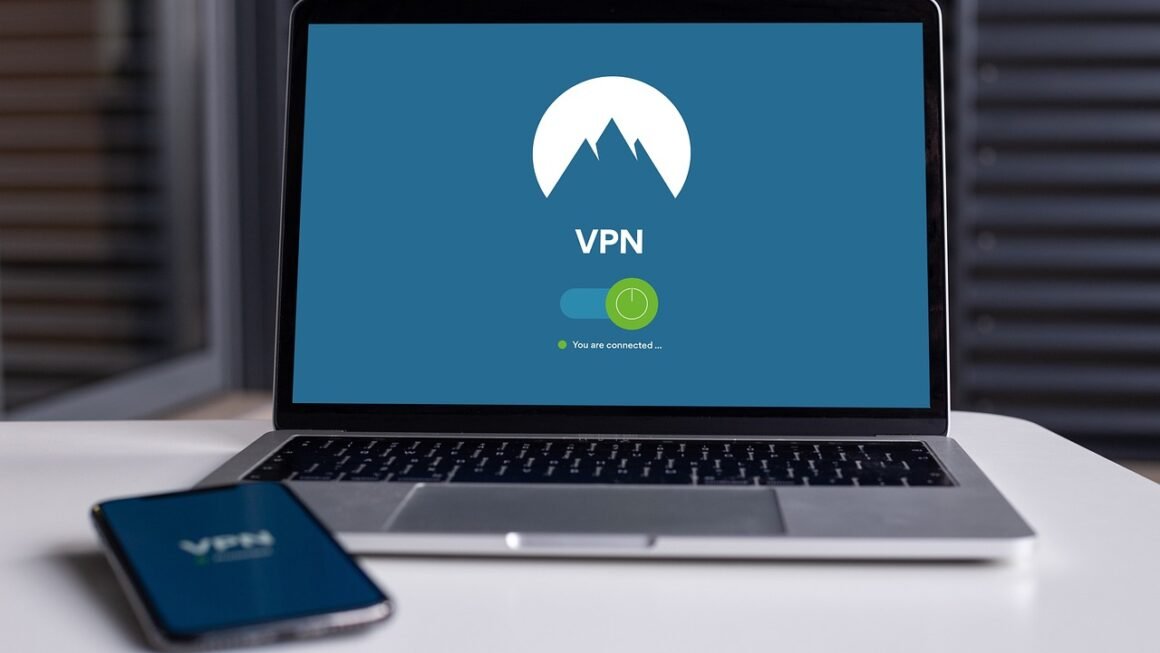
Using a Virtual Private Network (VPN) or the Tor network can help mask your IP address and location when sending emails, adding an extra layer of anonymity.
- VPN: A VPN encrypts your internet traffic and routes it through a server in a different location, making it difficult to trace your online activity back to you.
- Tor: Tor is a free and open-source software that anonymizes your internet traffic by routing it through a network of volunteer-operated servers.
- How to use: Connect to a VPN or Tor network before sending an email through any email service. This will hide your IP address and make it more difficult to identify your location.
- Note: While a VPN/Tor hides your IP address, it does not necessarily anonymize the email address itself. Use in conjunction with other methods for better results.
Choosing the Right Method
The best method for sending anonymous email depends on your specific needs and the level of privacy you require.
- For casual use: Disposable email services may suffice for sending quick, non-sensitive messages.
- For sensitive communications: Anonymous email providers offer a higher level of security and privacy for more sensitive communications.
- For protecting your real email address: Email forwarding services are a good option for preventing spam and unwanted attention.
- For enhanced anonymity: Combining a VPN or Tor network with an anonymous email service can provide an additional layer of protection.
Here’s a quick reference guide:
| Method | Use Case | Security Level | Cost |
|————————–|———————————————–|—————-|————-|
| Disposable Email | Quick, non-sensitive messages | Low | Free |
| Anonymous Email Provider | Sensitive communications | High | Paid/Free |
| Email Forwarding | Protecting real email address from spam | Medium | Paid/Free |
| VPN/Tor | Masking IP address and location | Medium | Paid (VPN) / Free (Tor)|
Potential Limitations and Risks
Metadata
Even when using anonymous email services, metadata can still potentially reveal information about the sender.
- What is Metadata? Metadata includes information such as the date and time the email was sent, the sender’s IP address (if not properly masked), and the email client used.
- How to Mitigate: Use an anonymous email provider that strips metadata from emails. Combine with a VPN/Tor to mask your IP address.
Trusting the Provider
You are essentially placing your trust in the anonymous email provider to protect your privacy. It’s crucial to choose a reputable provider with a proven track record of security and privacy.
- Research: Read reviews and research the provider’s security practices and privacy policies before signing up.
- Location: Consider the provider’s location, as different countries have different data privacy laws.
- Transparency: Look for providers that are transparent about their security measures and data handling practices.
Human Error
Even with the best tools, human error can compromise your anonymity.
- Avoid Including Personal Information: Be careful not to include any personal information in the email body or subject line that could identify you.
- Double-Check: Always double-check the recipient’s address and the content of your email before sending it.
- Practice Good Security Habits: Use strong, unique passwords and enable two-factor authentication whenever possible.
Conclusion
Anonymous email can be a valuable tool for protecting privacy, enabling whistleblowing, and facilitating secure communications. By understanding the different methods available, their limitations, and ethical considerations, you can make informed decisions about how to use anonymous email responsibly and effectively. Remember to choose a method that aligns with your specific needs, prioritize security and privacy, and always be mindful of the potential risks involved. The key to successfully using anonymous email lies in combining the right tools with careful practices and a commitment to ethical use.