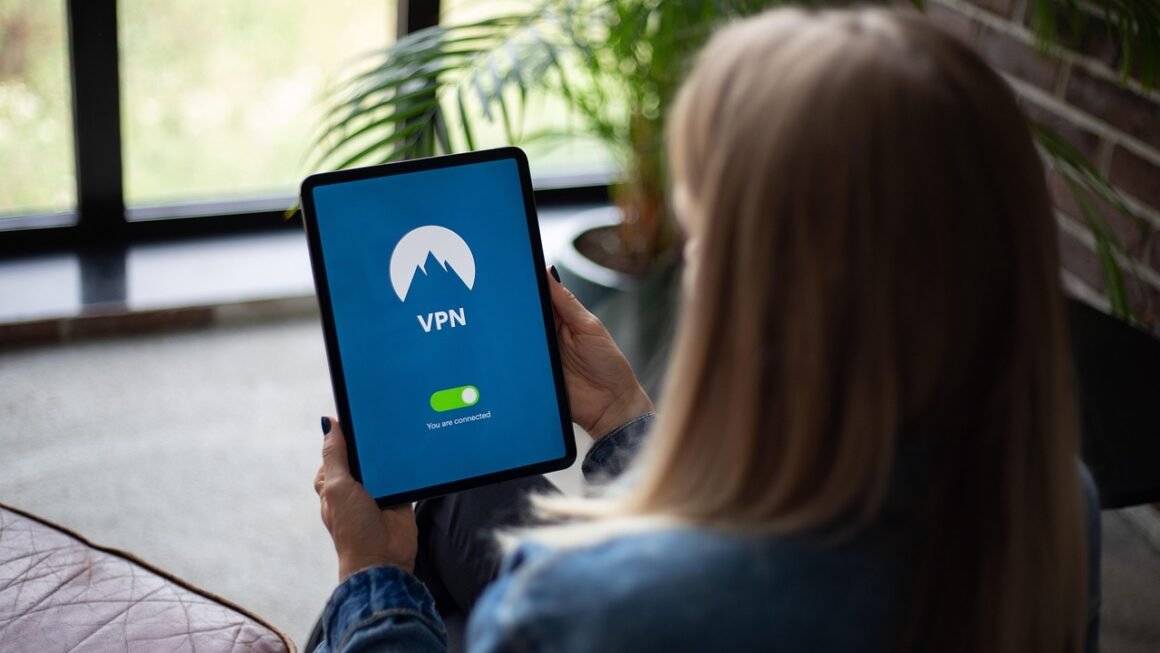
Connecting to the internet without a Virtual Private Network (VPN) is like driving a car without a license plate – you’re potentially exposed and easily tracked. In today’s digital landscape, protecting your online privacy and security is paramount, and a VPN app is a powerful tool to help you achieve just that. This comprehensive guide will explore the world of VPN apps, covering their functionalities, benefits, how to choose the right one, and practical tips for maximizing your online security.
What is a VPN App?
A VPN app is software that creates a secure, encrypted connection between your device (smartphone, tablet, laptop) and a VPN server. This server acts as an intermediary, masking your real IP address and routing your internet traffic through its own server, making it difficult for websites, advertisers, and even your internet service provider (ISP) to track your online activities. Essentially, it creates a private tunnel for your data to travel through.
How VPN Apps Work
- Encryption: VPN apps use encryption protocols (like OpenVPN, IKEv2, or WireGuard) to scramble your data, making it unreadable to anyone who might intercept it.
- IP Address Masking: Your real IP address is hidden, replaced by the IP address of the VPN server. This makes it appear as though you are browsing from the server’s location, not your own.
- Server Network: VPN providers maintain networks of servers in various locations around the world, allowing you to choose a server based on your desired location or specific needs.
VPN App vs. Browser Extension
While both VPN apps and browser extensions offer some level of privacy, they operate differently.
- VPN App: Protects all internet traffic on your device, including traffic from web browsers, email clients, and other apps. This is a system-wide solution.
- Browser Extension: Only protects traffic within the specific browser it’s installed on. It’s less comprehensive but can be convenient for specific tasks.
- Example: Using a VPN app on your smartphone will encrypt data from all apps, including your banking app, social media, and web browser. A browser extension will only protect your browsing activity within that specific browser.
Benefits of Using a VPN App
Using a VPN app offers numerous advantages, addressing various privacy and security concerns.
Enhanced Privacy
- Hides your IP address: Prevents websites, advertisers, and trackers from identifying your location and browsing habits.
- Encrypts your data: Protects sensitive information (passwords, credit card details, personal data) from hackers and eavesdroppers, especially on public Wi-Fi networks.
- Bypasses censorship: Allows you to access websites and content that may be blocked or restricted in your region.
- Prevents ISP tracking: Stops your ISP from monitoring your online activity and potentially throttling your bandwidth.
- Statistic: A study by GlobalWebIndex found that 31% of internet users worldwide have used a VPN to protect their personal data.
Improved Security
- Secures public Wi-Fi connections: Public Wi-Fi hotspots are notoriously insecure. A VPN encrypts your data, making it much more difficult for hackers to intercept your information.
- Protects against malware: Some VPN apps include built-in malware and ad blockers, adding an extra layer of security.
- Safeguards against DDoS attacks: If you’re a gamer or content creator, a VPN can help protect against Distributed Denial-of-Service (DDoS) attacks.
Access to Geo-Restricted Content
- Bypasses geographic restrictions: Access streaming services, websites, and other content that may be blocked in your location.
- Access different Netflix libraries: Connect to a VPN server in a different country to access the Netflix library of that region.
- Watch sports events from anywhere: Stream live sports events that may be blacked out in your area.
- Example: If you’re traveling abroad, you can use a VPN to connect to a server in your home country and access your favorite streaming services as if you were still at home.
Choosing the Right VPN App
Selecting the right VPN app is crucial to ensure you get the best possible protection and performance. Several factors need careful consideration.
Key Features to Consider
- Security Protocols: Look for apps that support strong encryption protocols like OpenVPN, IKEv2/IPsec, or WireGuard.
- No-Logs Policy: A strict no-logs policy means the VPN provider doesn’t track or store your online activity. Read the privacy policy carefully.
- Server Locations: A wide server network offers more flexibility in choosing a server based on your location or specific needs.
- Speed and Bandwidth: Choose a VPN with fast speeds and unlimited bandwidth for seamless browsing and streaming.
- Ease of Use: The app should be user-friendly and easy to navigate, especially for beginners.
- Customer Support: Reliable customer support is essential in case you encounter any issues.
- Price: VPN prices vary widely. Consider your budget and the features you need.
- Kill Switch: A kill switch automatically disconnects your internet connection if the VPN connection drops, preventing your data from being exposed.
- Multiple Device Support: Ensure the VPN supports multiple devices simultaneously if you need to protect all your devices.
Free vs. Paid VPN Apps
- Free VPNs: Often have limitations such as slower speeds, limited server locations, data caps, and may even sell your data to third parties. They can also be riddled with ads.
- Paid VPNs: Offer better performance, stronger security, wider server networks, and more reliable customer support. They typically have strict no-logs policies.
- Actionable Takeaway: While free VPNs might seem tempting, paid VPNs generally offer superior security, privacy, and performance, making them a worthwhile investment. Research and compare options before deciding.
Research and Reviews
- Read independent reviews: Check out reviews from reputable tech websites and publications to get unbiased opinions on different VPN apps.
- Check user reviews: Look at user reviews on app stores to get a sense of other users’ experiences with the app.
- Consider trial periods: Many VPN providers offer free trials or money-back guarantees, allowing you to test the app before committing to a subscription.
Practical Tips for Using a VPN App
Once you’ve chosen a VPN app, here are some practical tips to maximize its effectiveness.
Setting Up and Connecting
- Download and install the app: Download the VPN app from the official website or app store.
- Create an account: Sign up for an account and choose a subscription plan.
- Configure the app: Adjust the app settings to your preferences, such as choosing a server location and enabling the kill switch.
- Connect to a server: Select a server from the list and connect.
- Verify your connection: Use a website like IPLocation.net to verify that your IP address has been successfully changed.
Best Practices
- Always connect to a VPN on public Wi-Fi: This is especially important in cafes, airports, and other public places.
- Use a strong password: Protect your VPN account with a strong, unique password.
- Enable two-factor authentication: Add an extra layer of security to your account by enabling two-factor authentication.
- Keep your VPN app updated: Regularly update your VPN app to ensure you have the latest security patches and features.
- Check your VPN connection regularly: Make sure your VPN is connected before browsing the internet, especially when accessing sensitive information.
- Be wary of suspicious websites and links: A VPN can’t protect you from all online threats, so be cautious about the websites you visit and the links you click.
Troubleshooting Common Issues
- Slow connection speeds: Try connecting to a different server location or switching to a different VPN protocol.
- Connection drops: Check your internet connection and try restarting the VPN app.
- DNS leaks: Use a DNS leak test to ensure your DNS requests are being routed through the VPN server.
- IP address leaks: Use an IP address checker to verify that your IP address is being properly masked.
- Actionable Takeaway:* Regularly test your VPN connection to ensure it’s working correctly and providing the protection you expect.
Conclusion
In today’s digital age, a VPN app is an essential tool for protecting your online privacy and security. By encrypting your data, masking your IP address, and providing access to geo-restricted content, a VPN app empowers you to take control of your online experience. By understanding the different types of VPNs, carefully considering your needs, and following best practices, you can choose the right VPN app and enjoy a safer, more private online experience. Remember to prioritize security features, choose a reputable provider with a strict no-logs policy, and keep your app updated for optimal protection. Invest in your online security – it’s an investment in your peace of mind.