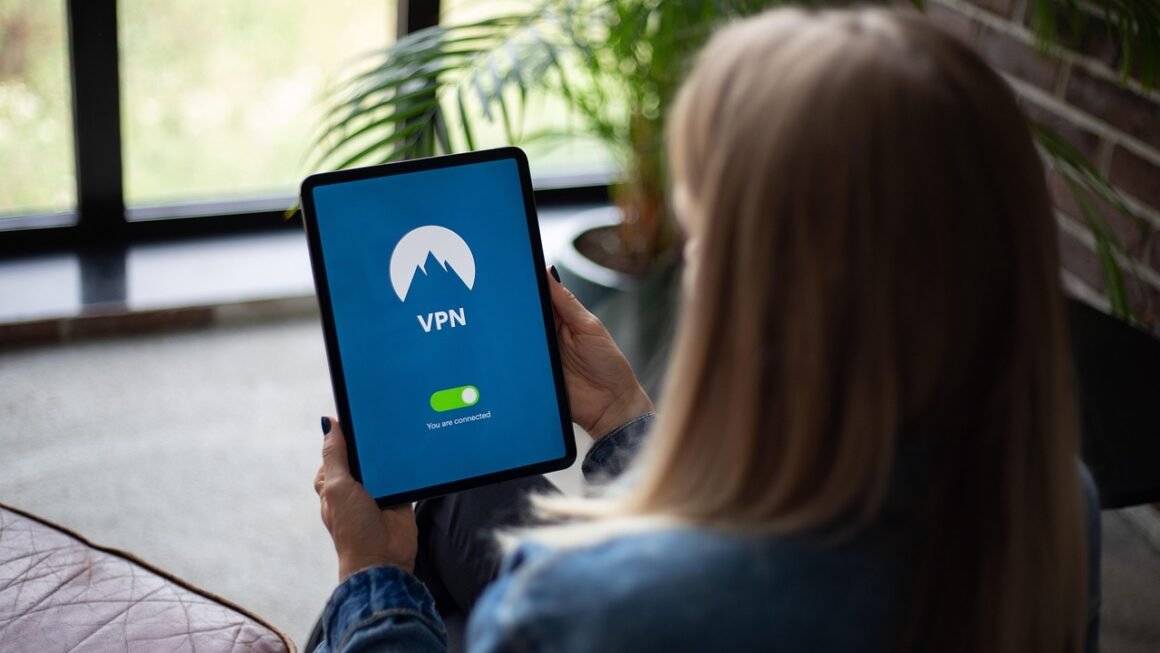
Using a public Wi-Fi hotspot? Streaming your favorite shows while traveling? Concerned about online privacy? In today’s digital landscape, a VPN app is no longer just a techie tool; it’s an essential shield for anyone who values their online security and freedom. From securing your connection on public networks to accessing geo-restricted content, a VPN app offers a multitude of benefits. This comprehensive guide will explore the world of VPN apps, explaining what they are, how they work, and why you should consider using one.
What is a VPN App and How Does it Work?
Understanding the Basics
A Virtual Private Network (VPN) app creates a secure, encrypted connection over a less secure network. Think of it as a private tunnel for your internet traffic. When you connect to a VPN server, your IP address is masked, and your data is encrypted, making it significantly harder for hackers, trackers, or even your ISP to monitor your online activity.
- Encryption: VPN apps use encryption protocols to scramble your data, making it unreadable to unauthorized parties. Common protocols include OpenVPN, IKEv2/IPsec, and WireGuard.
- IP Address Masking: Your IP address reveals your location and can be used to track your online activity. A VPN app hides your real IP address and replaces it with the IP address of the VPN server you are connected to.
How a VPN App Protects Your Data
Let’s say you’re using a coffee shop’s public Wi-Fi. Without a VPN:
With a VPN:
VPN Protocols Explained
Understanding VPN protocols is crucial for choosing the right VPN app:
- OpenVPN: A highly secure and widely used open-source protocol. It’s considered one of the most reliable choices.
- IKEv2/IPsec: A fast and stable protocol often used on mobile devices. It’s good for maintaining a connection when switching between Wi-Fi and cellular networks.
- WireGuard: A newer protocol that promises faster speeds and improved security compared to older protocols. It’s gaining popularity rapidly.
- PPTP: An older protocol that is generally considered insecure and should be avoided.
- L2TP/IPsec: While more secure than PPTP, it’s often slower than OpenVPN or IKEv2.
Benefits of Using a VPN App
Enhanced Online Security
- Protection on Public Wi-Fi: Public Wi-Fi networks are notoriously insecure. VPN apps encrypt your data, protecting you from hackers trying to steal your personal information, such as passwords and credit card details.
- Data Encryption: Encryption scrambles your data, making it unreadable to anyone who intercepts it. This is crucial for protecting sensitive information like emails, financial transactions, and personal conversations.
- Malware and Phishing Protection: Some VPN apps offer built-in malware and phishing protection, alerting you to potentially malicious websites and blocking access to them.
Increased Online Privacy
- Hiding Your IP Address: Your IP address can be used to track your location and online activities. A VPN app masks your IP address, preventing websites and advertisers from tracking you.
- Bypassing Censorship: In countries with strict internet censorship, a VPN app can allow you to bypass restrictions and access blocked websites and content.
- Preventing ISP Tracking: Your ISP can track your online activities and sell your data to advertisers. A VPN app prevents your ISP from monitoring your browsing history and other sensitive information.
- Example: Imagine a journalist reporting from a country with strict media censorship. By using a VPN app, they can securely access and disseminate information without fear of government surveillance.
Accessing Geo-Restricted Content
- Streaming Services: Many streaming services like Netflix, Hulu, and BBC iPlayer offer different content libraries in different countries. A VPN app allows you to connect to a server in a specific country and access that country’s content library.
- Bypassing Regional Blocks: Some websites and services may be blocked in certain regions. A VPN app allows you to bypass these blocks and access the content you need.
- Example: If you are traveling outside the US and want to watch your favorite US Netflix shows, you can connect to a US VPN server and access the US Netflix library.
Secure File Sharing
- Protecting Torrenting Activities: Many users use VPNs for secure torrenting. A VPN app hides your IP address and encrypts your traffic, preventing your ISP from detecting your torrenting activity.
- Securing File Transfers: When transferring sensitive files online, a VPN app encrypts the data, protecting it from interception.
Choosing the Right VPN App
Key Features to Consider
- Strong Encryption: Look for a VPN app that uses strong encryption protocols like AES-256.
- No-Logs Policy: Choose a VPN app with a strict no-logs policy, meaning they don’t track or store your online activity.
- Server Locations: A wider range of server locations gives you more flexibility and better speeds.
- Speed and Reliability: Test the VPN app’s speed and reliability before committing to a long-term subscription.
- User-Friendliness: The app should be easy to use, with a clear and intuitive interface.
- Customer Support: Choose a VPN app with responsive and helpful customer support.
- Pricing: Compare the pricing plans of different VPN apps and choose one that fits your budget.
- Kill Switch: A kill switch automatically disconnects your internet connection if the VPN connection drops, preventing your data from being exposed.
- Split Tunneling: Split tunneling allows you to choose which apps use the VPN connection and which apps use your regular internet connection. This can improve speed and performance.
Popular VPN Apps
Here are a few popular VPN apps known for their security, speed, and user-friendliness:
- NordVPN: A well-regarded VPN known for its strong security features and large server network.
- ExpressVPN: A fast and reliable VPN with a user-friendly interface and excellent customer support.
- Surfshark: An affordable VPN that offers unlimited device connections and strong security features.
- CyberGhost: A user-friendly VPN with a large server network and a focus on streaming.
- Private Internet Access (PIA): A highly customizable VPN with a strong focus on privacy and security.
Free vs. Paid VPN Apps
- Free VPN Apps: Free VPN apps may seem tempting, but they often come with limitations and risks. They may have slower speeds, data caps, fewer server locations, and even track and sell your data.
- Paid VPN Apps: Paid VPN apps offer better security, faster speeds, unlimited data, more server locations, and better customer support. They are generally a safer and more reliable option.
- Recommendation: It’s generally recommended to choose a paid VPN app for better security and performance. However, some reputable VPN providers offer limited free versions that can be used for basic security needs.
Setting Up and Using a VPN App
Downloading and Installing the App
Connecting to a VPN Server
Troubleshooting Common Issues
- Slow Speeds: Try connecting to a different server location. Closer servers generally offer faster speeds. Also, check your internet connection speed.
- Connection Problems: Restart your device and try connecting again. Make sure your VPN app is up to date.
- Blocked Websites: Try clearing your browser’s cache and cookies. If that doesn’t work, try connecting to a different server location.
- DNS Leaks: Use a DNS leak test tool to check if your DNS requests are being leaked. If they are, contact your VPN provider for assistance.
- Example: If you are experiencing slow speeds while connected to a VPN server in Europe, try connecting to a server in North America for potentially faster speeds.
Conclusion
In an increasingly interconnected world, a VPN app is an indispensable tool for safeguarding your online security, privacy, and freedom. By encrypting your data, masking your IP address, and allowing you to access geo-restricted content, a VPN app empowers you to take control of your digital footprint. While free VPN apps exist, investing in a reputable paid VPN service is highly recommended for robust protection and reliable performance. Choose a VPN app that aligns with your specific needs, follow the setup instructions, and enjoy a safer, more private, and unrestricted online experience. Take the first step towards a more secure digital life today by downloading and utilizing a VPN app.