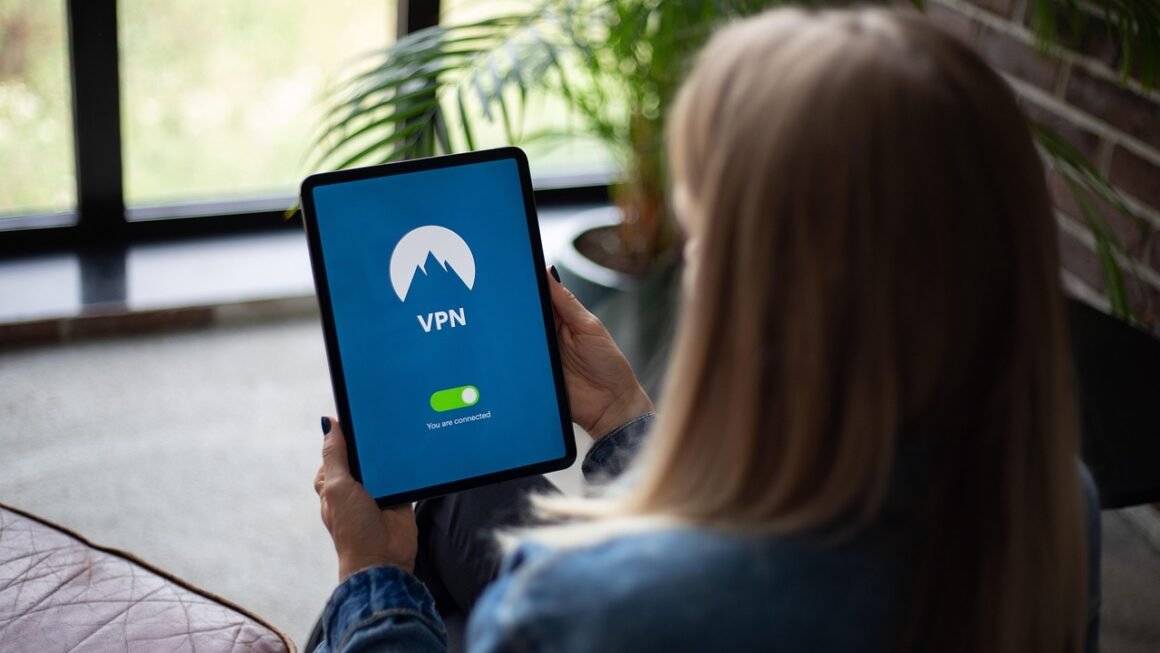
A VPN app is more than just a tool to bypass geographical restrictions; it’s a vital shield for your online privacy and security in today’s interconnected world. Whether you’re browsing on public Wi-Fi, streaming your favorite shows, or conducting sensitive business transactions, a reliable VPN app can add a crucial layer of protection against cyber threats, data breaches, and unwarranted surveillance. Let’s delve into the world of VPN apps, exploring their functionalities, benefits, and how to choose the right one for your needs.
What is a VPN App and How Does it Work?
Defining a VPN App
A VPN app, short for Virtual Private Network application, is software that creates a secure, encrypted connection between your device and a VPN server. This connection masks your IP address, making it difficult to track your online activity. Essentially, it acts as an intermediary, routing your internet traffic through a server in a location of your choosing, providing enhanced privacy and security.
The Technical Process Explained
When you use a VPN app, the following steps generally occur:
- Encryption: Your data is encrypted before it leaves your device, scrambling it and making it unreadable to anyone intercepting it.
- Tunneling: The encrypted data is then sent through a secure “tunnel” to the VPN server.
- IP Masking: The VPN server replaces your actual IP address with its own, making it appear as though you are browsing from the server’s location.
- Decryption (Optional): Some VPNs may decrypt the data at the server before sending it to its final destination, while others maintain the encrypted connection throughout.
This entire process happens in the background, seamlessly protecting your data and privacy.
Practical Example: Using a VPN on Public Wi-Fi
Imagine you’re at a coffee shop using their free Wi-Fi. Public Wi-Fi networks are notoriously insecure, making your data vulnerable to hackers. By connecting to a VPN app, you encrypt all the data transmitted from your device, preventing anyone from intercepting your passwords, credit card information, or other sensitive data.
Key Benefits of Using a VPN App
Enhanced Security on Public Networks
As previously mentioned, public Wi-Fi is a breeding ground for cybercrime. A VPN provides a critical layer of security, protecting you from man-in-the-middle attacks, packet sniffing, and other malicious activities.
Protecting Your Online Privacy
ISPs (Internet Service Providers) can track your browsing history and potentially sell this data to advertisers. A VPN app masks your IP address, preventing your ISP from easily identifying your online activity and associating it with you.
Bypassing Geographical Restrictions
Many streaming services and websites impose geographical restrictions, limiting access based on your location. By connecting to a VPN server in a different country, you can bypass these restrictions and access content that would otherwise be unavailable. For example:
- Accessing streaming content unavailable in your region.
- Viewing websites blocked by your country’s government.
Secure Torrenting
Downloading torrents can expose your IP address to other users, potentially leading to legal issues or unwanted attention. A VPN can mask your IP address, allowing you to torrent anonymously.
Avoiding Price Discrimination
Some websites use your location to adjust prices, often charging higher prices to users in wealthier countries. Using a VPN, you can potentially find better deals by browsing from a different virtual location.
Choosing the Right VPN App: Factors to Consider
Security and Encryption Protocols
Look for VPN apps that use strong encryption protocols such as:
- AES-256: The industry standard for encryption.
- OpenVPN: A highly secure and open-source protocol.
- IKEv2/IPsec: Another secure and commonly used protocol.
- WireGuard: A newer protocol known for its speed and security.
No-Logs Policy
A strict no-logs policy is crucial. This means the VPN provider does not track or store any information about your browsing activity, connection timestamps, or IP addresses. Read the VPN’s privacy policy carefully to ensure a genuine commitment to privacy.
Server Locations
A wide range of server locations is beneficial for bypassing geographical restrictions and finding optimal speeds. Consider the locations you’re most likely to need.
Speed and Performance
VPNs can sometimes slow down your internet connection due to the encryption process. Choose a VPN with fast servers and optimized performance to minimize any noticeable slowdown.
User Interface and Ease of Use
The VPN app should be user-friendly and easy to navigate, especially for beginners. Look for apps with clear instructions and intuitive controls.
Customer Support
Reliable customer support is essential in case you encounter any issues. Look for VPN providers that offer 24/7 support through live chat, email, or phone.
Price and Subscription Plans
VPN prices vary depending on the features and subscription length. Consider your budget and choose a plan that meets your needs. Look for VPNs that offer free trials or money-back guarantees.
Setting Up and Using a VPN App
Downloading and Installing the App
The first step is to download the VPN app from the official website or app store. Make sure you’re downloading from a legitimate source to avoid malware or phishing scams.
Creating an Account and Choosing a Subscription Plan
After installing the app, you’ll need to create an account and choose a subscription plan. Some VPNs offer free versions with limited features or bandwidth.
Connecting to a Server
Once logged in, you can choose a server location from the list. Some VPN apps offer a “quick connect” feature that automatically connects you to the fastest available server.
Verifying Your Connection
After connecting to a VPN server, you can verify your connection by checking your IP address using a website like ipleak.net. This will confirm that your IP address has been successfully masked.
Tips for Optimizing VPN Performance
- Choose a server close to your location: This can improve your connection speed.
- Experiment with different protocols: Some protocols are faster than others.
- Close unnecessary applications: This can free up bandwidth and improve performance.
- Update the VPN app regularly: Updates often include performance improvements and security patches.
Conclusion
A VPN app is an indispensable tool for protecting your online privacy and security. By encrypting your data, masking your IP address, and allowing you to bypass geographical restrictions, a VPN provides a significant layer of protection against cyber threats and unwarranted surveillance. When choosing a VPN app, consider factors such as security protocols, no-logs policy, server locations, speed, user interface, customer support, and price. By carefully selecting and properly configuring a VPN app, you can enjoy a safer and more private online experience.