In today’s digital age, our online activities are constantly tracked, analyzed, and often monetized without our explicit consent. This growing concern over data privacy has led to a surge in demand for privacy-focused tools, and search engines are no exception. If you’re looking for a way to reclaim control over your personal data and browse the web with greater peace of mind, understanding the world of privacy-focused search engines is crucial. This post will delve into the best options available, their features, and why you should consider making the switch.
Why Use a Privacy-Focused Search Engine?
The Problem with Traditional Search Engines
Traditional search engines, like Google and Bing, collect vast amounts of data about their users. This data is used to personalize search results, target advertisements, and improve their services. However, it also comes at the cost of your privacy. Consider these points:
- Tracking Your Searches: They track every search query you make, building a detailed profile of your interests, habits, and even personal beliefs.
- Personalized Advertising: This data fuels personalized advertising, which can be intrusive and manipulative.
- Data Sharing: User data can be shared with third-party advertisers and data brokers, often without your explicit knowledge or consent.
- Filter Bubbles: Algorithms can create filter bubbles, limiting your exposure to diverse perspectives and reinforcing existing biases.
For example, imagine you search for information on a specific medical condition. Traditional search engines might then flood your browsing experience with targeted ads for related products or services, potentially causing unnecessary anxiety or stress.
The Benefits of Privacy
Switching to a privacy-focused search engine offers several key advantages:
- Enhanced Privacy: They do not track your searches or collect personal data.
- Unbiased Results: Results are not personalized based on your search history or location, providing a more objective view of the web.
- Reduced Tracking: They block trackers and cookies that attempt to follow you across the web.
- Greater Control: You have more control over your personal data and how it’s used (or not used).
- Support Ethical Alternatives: By supporting these engines, you contribute to a more privacy-respecting online ecosystem.
Popular Privacy-Focused Search Engines
DuckDuckGo
DuckDuckGo is arguably the most well-known privacy-focused search engine. It’s built on the promise of not tracking your searches or personalizing results. Here’s why it’s a popular choice:
- No Personalization: DuckDuckGo provides the same search results for everyone, ensuring unbiased information.
- Tracker Blocking: It blocks trackers from third-party websites, preventing them from following you across the web.
- Privacy Grade: DuckDuckGo’s browser extension provides a “Privacy Grade” for each website you visit, showing you how well it protects your privacy.
- Bang Commands: Allows you to search directly on other websites using special commands (e.g., “!g [search term]” to search on Google).
- Mobile App: Available as a mobile app for both iOS and Android, offering privacy on the go.
Example: If you search for “restaurants near me” on DuckDuckGo, it uses your general location to provide results, but doesn’t store or associate that location with your profile.
Startpage
Startpage differentiates itself by using Google’s search results while protecting your privacy. It acts as a proxy, retrieving results from Google anonymously.
- Google Results, Enhanced Privacy: Provides high-quality search results powered by Google without tracking your activity.
- Anonymous View: Offers an “Anonymous View” feature that allows you to browse websites through Startpage’s proxy, further protecting your privacy.
- No Logs: Doesn’t log your IP address or track your searches.
- Location Control: Offers options for controlling the location used for search results.
- Customizable: Lets you customize the look and feel of the search engine.
Practical Example: You can use Startpage to search for information that you need Google’s comprehensive results for, while preventing Google from associating those searches with your personal profile.
Brave Search
Brave Search is a relatively new search engine developed by the Brave browser team. It’s built on an independent index, meaning it’s not reliant on other search engines for its results.
- Independent Index: Brave Search doesn’t rely on Google or Bing for its search results, offering a more independent perspective.
- Privacy-First: It blocks trackers and doesn’t collect personal data.
- Brave Browser Integration: Seamlessly integrated with the Brave browser, offering a consistent privacy experience.
- Search Suggestions: Provides search suggestions without tracking your search history.
- Ad-Free (Optionally): Offers an ad-free experience, with the option to pay for premium features.
For example, Brave Search is a great option for users who are already using the Brave browser and want a privacy-focused search engine that aligns with their overall online privacy strategy.
SearX
SearX is a metasearch engine, meaning it aggregates results from multiple other search engines. It’s open-source and highly customizable, allowing you to choose which search engines to use and how to display the results.
- Metasearch Engine: Combines results from various search engines, providing a broader range of perspectives.
- Open-Source: Open-source software allows for community audits and transparency.
- Customizable: You can customize the search engines used and the appearance of the results.
- Self-Hosting: You can host your own SearX instance for maximum privacy.
- No Tracking: Doesn’t track your searches or collect personal data.
Consider SearX if you’re technically inclined and want maximum control over your search experience and privacy. You can even host your own instance to ensure complete anonymity.
How to Switch to a Privacy-Focused Search Engine
Setting a Default Search Engine
Switching to a privacy-focused search engine is easy. Most browsers allow you to set your default search engine in the settings menu. Here are the general steps:
Alternatively, you can install a browser extension for your chosen privacy-focused search engine, which will automatically redirect your searches.
Additional Privacy Measures
While using a privacy-focused search engine is a great first step, you can further enhance your online privacy with these additional measures:
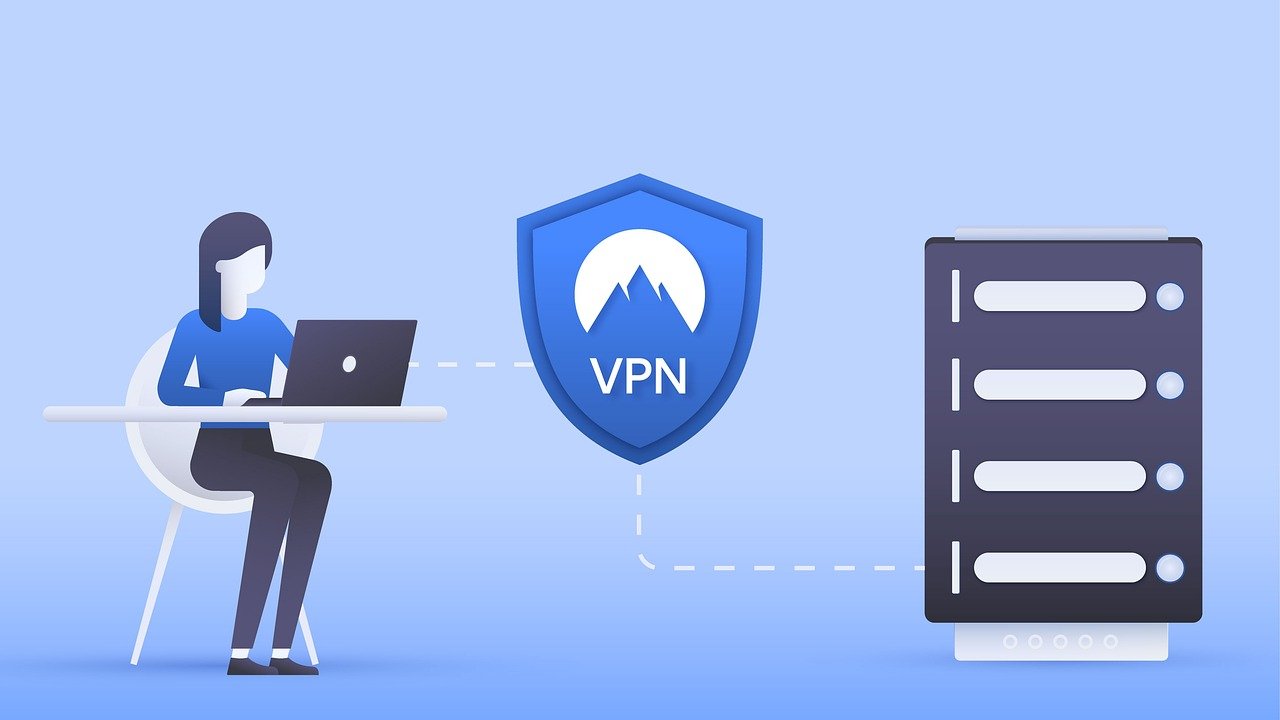
- Use a VPN: A Virtual Private Network (VPN) encrypts your internet traffic and hides your IP address, making it more difficult to track your online activity.
- Install Privacy Extensions: Browser extensions like Privacy Badger and uBlock Origin block trackers and unwanted ads.
- Use a Private Browser: Browsers like Brave and Tor are designed with privacy in mind and offer features like built-in tracker blocking and VPN support.
- Regularly Clear Your Browsing History and Cookies: Regularly clearing your browsing history and cookies can help to remove any lingering tracking data.
- Adjust Social Media Settings: Review and adjust your privacy settings on social media platforms to limit the amount of data they collect about you.
Conclusion
In conclusion, reclaiming your online privacy starts with making informed choices about the tools you use. Switching to a privacy-focused search engine is a significant step towards protecting your personal data and browsing the web with greater peace of mind. While no single solution can guarantee complete anonymity, combining a privacy-focused search engine with other privacy-enhancing tools and practices can significantly reduce your digital footprint and empower you to control your online experience. So, take the leap, explore the options discussed, and choose the one that best fits your needs and values. Your privacy is worth it!