The world of VPNs can feel overwhelming, especially for newcomers. Beyond the technical jargon of encryption protocols and server locations, lies a critical element that significantly impacts the user experience: the VPN UI, or User Interface. A well-designed VPN UI can be the difference between secure, seamless browsing and a frustrating, insecure online experience. This guide dives deep into what makes a great VPN UI, exploring its key components, best practices, and how it contributes to overall user satisfaction and security.
Understanding the Importance of a VPN User Interface
What is a VPN UI?
The VPN UI is the graphical interface through which users interact with their VPN software. It encompasses everything from the main application window to settings menus, connection logs, and interactive maps. Think of it as the dashboard for your online security, allowing you to control and customize your VPN connection.
Why a Good UI Matters
A good VPN UI is crucial for several reasons:
- Ease of Use: A clean and intuitive interface makes connecting to a VPN simple, even for non-technical users. This encourages consistent use and maximizes the security benefits.
- Feature Discovery: A well-designed UI effectively showcases all the features offered by the VPN, like split tunneling, kill switches, and protocol selection, enabling users to take full advantage of their subscription.
- Security Awareness: A clear UI can highlight potential security risks and guide users to make informed decisions about their online privacy. For example, prominent display of connection status and automatic reconnection features.
- Troubleshooting: An informative UI provides connection logs and error messages that are easy to understand, facilitating quick troubleshooting and resolving connection issues.
- Overall Satisfaction: A positive user experience leads to higher customer satisfaction and loyalty. A clunky or confusing UI can deter users from renewing their subscription.
A recent survey indicated that 65% of VPN users cited ease of use as a primary factor when choosing a VPN provider, highlighting the direct impact of the UI on customer preference.
Key Elements of an Effective VPN UI
Connection Status and Server Selection
This is arguably the most important part of the UI. Users need to quickly and easily:
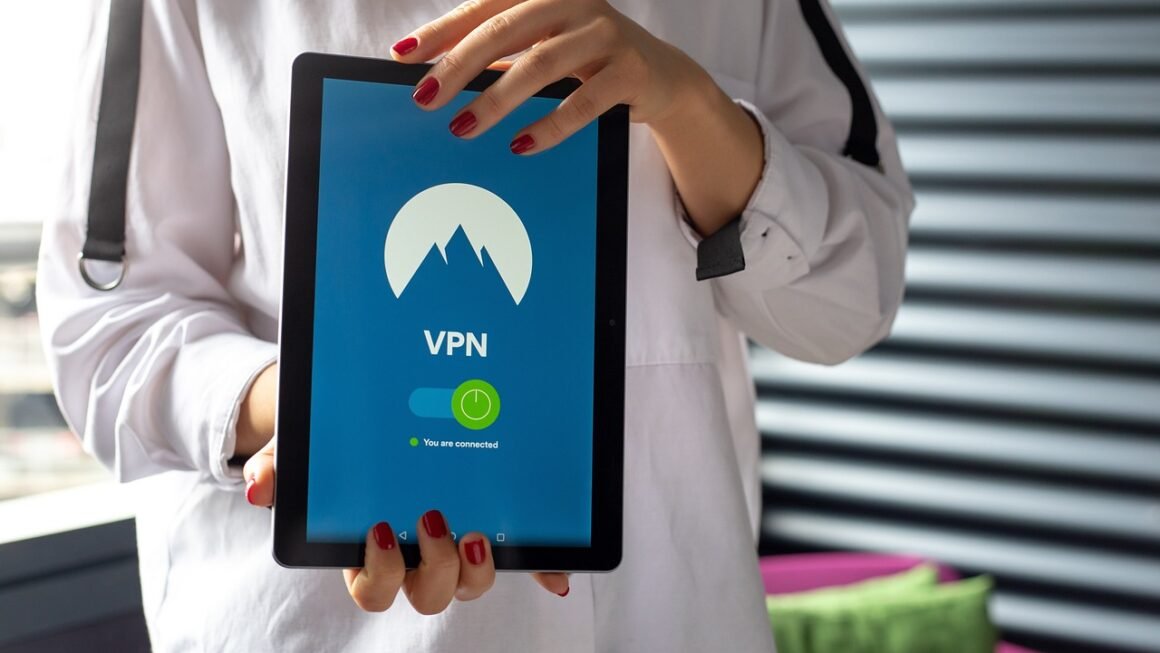
- View connection status: Is the VPN connected or disconnected? Displaying this prominently with a clear visual indicator (e.g., a green checkmark for connected, a red X for disconnected) is vital.
- Select a server location: A list of server locations, ideally categorized by region or purpose (e.g., streaming, P2P), should be readily accessible.
- See server load: Indicating server load (percentage of capacity in use) allows users to choose less congested servers for optimal performance. Displaying ping times or latency values provides further insights.
- Connect/Disconnect button: A large, unambiguous button to initiate or terminate the VPN connection.
- Example: Some VPNs use interactive maps, allowing users to click on a location on the map to connect to a server in that region.
Settings and Customization Options
The settings menu should be organized logically and allow users to:
- Choose VPN protocols: IKEv2, OpenVPN, WireGuard – providing clear explanations of each protocol’s strengths and weaknesses helps users make informed choices.
- Configure kill switch: A kill switch automatically disconnects the internet connection if the VPN drops, preventing data leaks. Ensure the settings clearly explain the functionality and impact.
- Enable split tunneling: Allows users to route specific app traffic through the VPN while other traffic uses the regular internet connection. The UI should allow users to easily select which apps to include or exclude.
- Customize DNS settings: Some VPNs offer custom DNS server options for added privacy or security.
- Enable automatic reconnection: The VPN should automatically reconnect if the connection drops, ensuring continuous protection.
- Example: Providing tooltips or brief descriptions of each setting option can significantly improve user understanding.
Security Features and Information
The UI should clearly display and explain key security features:
- Encryption type: Show the encryption algorithm being used (e.g., AES-256) for transparency.
- IP address masking: Display the user’s real IP address versus the VPN’s IP address.
- DNS leak protection: Indicate whether DNS leak protection is active and functioning correctly.
- WebRTC leak protection: Display the status of WebRTC leak protection to prevent IP address leaks.
- Example: Offering a “Security Check” or “Privacy Audit” feature can proactively identify potential vulnerabilities in the user’s setup.
Account Management and Support
- Account Details: Display subscription status, remaining bandwidth (if applicable), and renewal date.
- Support Access: Provide easy access to help articles, FAQs, and contact information for customer support. A direct link to live chat can be very beneficial.
- Feedback Mechanism: Allow users to easily submit feedback or report bugs directly through the UI.
- Example: Integrating a knowledge base directly into the app can empower users to find answers to common questions without contacting support.
Best Practices for VPN UI Design
Simplicity and Clarity
- Minimalist Design: Avoid cluttering the UI with unnecessary elements. Focus on essential features and information.
- Clear Language: Use simple, non-technical language that is easy for everyone to understand.
- Consistent Design: Maintain a consistent visual style throughout the application.
Usability and Accessibility
- Intuitive Navigation: Design the UI with a logical flow, making it easy for users to find what they need.
- Responsive Design: Ensure the UI adapts well to different screen sizes and devices.
- Accessibility: Consider accessibility guidelines for users with disabilities, such as providing alternative text for images and ensuring sufficient color contrast.
Performance and Stability
- Lightweight Design: Avoid resource-intensive animations or graphics that can slow down the application.
- Error Handling: Implement robust error handling to prevent crashes and provide informative error messages.
- Regular Updates: Continuously improve the UI based on user feedback and evolving design trends.
Data Visualization
- Interactive elements: Use charts or graphs to visualize server load or ping times, providing a more intuitive understanding of the data.
- Color coding: Employ color coding to highlight different server types or levels of security, making the UI more visually informative.
Conclusion
A well-designed VPN UI is no longer a nice-to-have; it’s a critical component of a secure and user-friendly VPN experience. By prioritizing simplicity, clarity, usability, and security awareness, VPN providers can empower users to confidently protect their online privacy. Ultimately, a great VPN UI fosters trust, encourages consistent usage, and transforms a complex technology into an accessible tool for everyone. As the demand for online privacy continues to grow, VPN providers who invest in user-centric UI design will be best positioned to attract and retain customers.