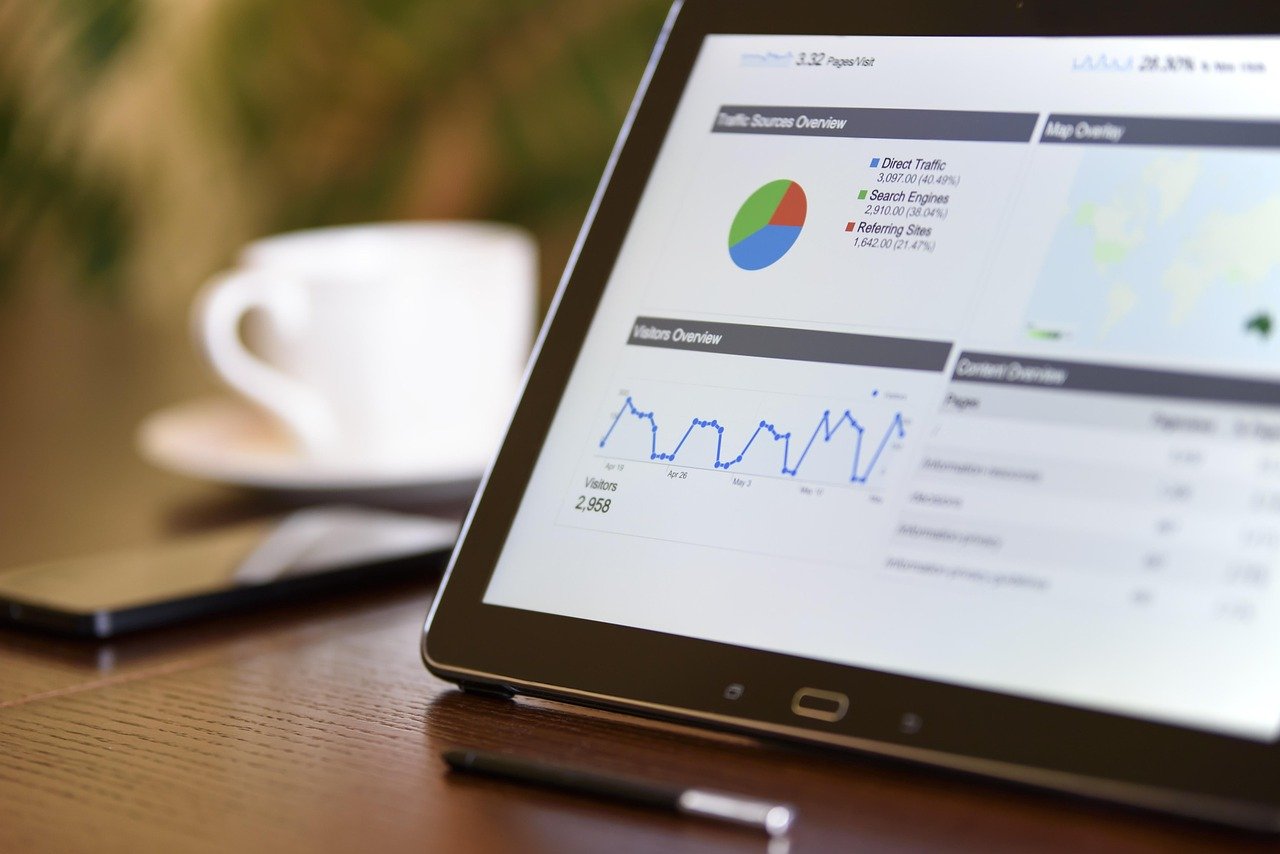
Data analytics is no longer a futuristic concept; it’s the engine driving informed decisions across virtually every industry today. From optimizing marketing campaigns to predicting market trends, understanding and leveraging data is crucial for businesses looking to thrive in a competitive landscape. This blog post will delve into the world of data analytics, exploring its core concepts, methodologies, and practical applications.
What is Data Analytics?
Defining Data Analytics
Data analytics is the process of examining raw data to draw conclusions about that information. It involves applying algorithmic or mechanical processes to derive insights. Data analytics techniques can be used to uncover trends and metrics that would otherwise be lost in the mass of information. Simply put, it’s turning raw data into actionable intelligence.
The Difference Between Data Analytics and Data Science
While often used interchangeably, data analytics and data science are distinct fields. Data analytics focuses on analyzing existing data to answer specific questions and solve immediate problems. Data science, on the other hand, is a broader field that encompasses data analytics, but also includes data engineering, machine learning, and building predictive models for future outcomes. Think of it this way: data analytics tells you what happened, while data science tries to predict what will happen.
Types of Data Analytics
There are four primary types of data analytics, each serving a different purpose:
- Descriptive Analytics: This type focuses on summarizing past data to understand what has happened. Examples include reports on sales figures, website traffic, and social media engagement.
- Diagnostic Analytics: Diagnostic analytics aims to understand why something happened. It involves identifying the root causes of trends and patterns. For example, analyzing why sales declined in a particular region.
- Predictive Analytics: Predictive analytics uses statistical models and machine learning techniques to forecast future outcomes based on historical data. Examples include predicting customer churn or forecasting demand for a product.
- Prescriptive Analytics: This advanced form of analytics goes beyond prediction and recommends specific actions to optimize outcomes. It suggests what should be done to achieve desired results. An example is optimizing pricing strategies based on predicted demand and competitor pricing.
The Data Analytics Process
Data Collection
The first step in the data analytics process is collecting relevant data from various sources. These sources can include:
- Internal Databases: Sales data, customer data, inventory data.
- External Sources: Market research reports, social media data, publicly available datasets.
- Web Analytics: Data from website traffic, user behavior, and online marketing campaigns.
- Sensor Data: Data from IoT devices and sensors in manufacturing, logistics, and other industries.
Data Cleaning and Preparation
Raw data is often messy and inconsistent. This step involves cleaning, transforming, and preparing the data for analysis. Key tasks include:
- Handling Missing Values: Filling in missing data or removing incomplete records.
- Removing Duplicates: Ensuring data accuracy by eliminating duplicate entries.
- Standardizing Data: Converting data to a consistent format (e.g., date formats, currency conversions).
- Data Transformation: Aggregating, filtering, and restructuring data to make it suitable for analysis.
Data Analysis and Modeling
Once the data is clean and prepared, the next step is to apply various analytical techniques to extract insights. Common methods include:
- Statistical Analysis: Using statistical methods like regression analysis, hypothesis testing, and correlation analysis to identify relationships between variables.
- Data Mining: Discovering patterns and anomalies in large datasets using techniques like clustering, association rule mining, and anomaly detection.
- Machine Learning: Building predictive models using algorithms like regression, classification, and neural networks. For example, a machine learning model can be used to predict customer churn based on historical data.
- Data Visualization: Creating charts, graphs, and dashboards to effectively communicate insights and findings. Tools like Tableau, Power BI, and Python libraries like Matplotlib and Seaborn are commonly used.
Interpretation and Reporting
The final step is to interpret the results of the analysis and communicate the findings to stakeholders. This involves:
- Drawing Conclusions: Identifying key insights and trends from the data.
- Creating Reports: Presenting the findings in a clear and concise manner using visualizations and narratives.
- Making Recommendations: Providing actionable recommendations based on the insights.
- Presenting to Stakeholders: Sharing the findings with decision-makers and stakeholders in a clear and understandable way.
Tools and Technologies for Data Analytics
Programming Languages
- Python: A versatile language with a rich ecosystem of libraries like Pandas (for data manipulation), NumPy (for numerical computing), Scikit-learn (for machine learning), and Matplotlib & Seaborn (for data visualization).
Example: Using Pandas to clean and transform data:
“`python
import pandas as pd
# Load the data
data = pd.read_csv(‘your_data.csv’)
# Remove duplicates
data.drop_duplicates(inplace=True)
# Fill missing values
data.fillna(0, inplace=True)
“`
- R: Another popular language, particularly for statistical computing and data visualization. It has a wide range of packages for statistical modeling and data analysis.
Data Visualization Tools
- Tableau: A user-friendly tool for creating interactive dashboards and visualizations. It allows users to easily explore data and gain insights.
- Power BI: Microsoft’s business intelligence tool that offers similar functionality to Tableau, with seamless integration with other Microsoft products.
- Google Data Studio: A free tool that allows users to create interactive dashboards and reports using data from various sources.
Databases and Data Warehouses
- SQL Databases: MySQL, PostgreSQL, and SQL Server are relational databases used to store and manage structured data.
- NoSQL Databases: MongoDB and Cassandra are non-relational databases suitable for handling large volumes of unstructured or semi-structured data.
- Data Warehouses: Cloud-based solutions like Amazon Redshift, Google BigQuery, and Snowflake are designed for storing and analyzing large volumes of data.
Applications of Data Analytics
Business and Marketing
- Customer Segmentation: Identifying distinct customer groups based on demographics, behavior, and preferences to tailor marketing campaigns.
- Marketing Campaign Optimization: Analyzing campaign performance to identify effective strategies and optimize ad spend.
- Predictive Analytics for Sales: Forecasting future sales based on historical data, market trends, and seasonal factors.
- Customer Churn Prediction: Identifying customers who are likely to churn and implementing strategies to retain them.
Healthcare
- Predictive Analytics for Disease Outbreaks: Identifying patterns and predicting the spread of infectious diseases.
- Personalized Medicine: Tailoring treatment plans based on individual patient data and genetic information.
- Healthcare Operations Optimization: Improving efficiency and reducing costs in hospitals and clinics.
- Drug Discovery and Development: Accelerating the process of identifying and developing new drugs.
Finance
- Fraud Detection: Identifying fraudulent transactions and preventing financial losses.
- Risk Management: Assessing and mitigating financial risks using statistical models and predictive analytics.
- Algorithmic Trading: Developing automated trading strategies based on market data and statistical analysis.
- Credit Risk Assessment: Evaluating the creditworthiness of borrowers and predicting loan defaults.
Supply Chain Management
- Demand Forecasting: Predicting future demand for products to optimize inventory levels.
- Logistics Optimization: Improving efficiency and reducing costs in transportation and warehousing.
- Supply Chain Risk Management: Identifying and mitigating risks in the supply chain.
- Inventory Optimization: Balancing inventory levels to meet demand while minimizing holding costs.
Conclusion
Data analytics is transforming the way businesses operate and make decisions. By leveraging the power of data, organizations can gain valuable insights, optimize their operations, and achieve a competitive advantage. Whether you are a business owner, a data professional, or simply someone interested in understanding the world around you, data analytics provides the tools and techniques to uncover meaningful insights from the vast amounts of data available today. Embracing data analytics is no longer a luxury; it’s a necessity for success in the modern era.