Online privacy is no longer a luxury; it’s a necessity. In an era where digital footprints are constantly tracked and data breaches are increasingly common, understanding and managing your online privacy is crucial. This post will provide you with a comprehensive guide to understanding, enhancing, and protecting your digital self.
Understanding Online Privacy
What is Online Privacy?
Online privacy refers to the level of control you have over your personal information online, including how it’s collected, used, and shared. It encompasses everything from your browsing history and social media activity to your location data and purchase records. Lack of awareness and proactive measures can expose you to various risks, including identity theft, financial fraud, and reputational damage.
- Personal Information: Any data that can be used to identify you (name, address, email, phone number, IP address, etc.).
- Data Collection: The process by which websites, apps, and online services gather your personal information.
- Data Usage: How companies and organizations use your data (advertising, analytics, personalization, etc.).
- Data Sharing: Sharing your data with third parties (advertisers, marketing partners, data brokers, etc.).
Why is Online Privacy Important?
Protecting your online privacy offers several key benefits:
- Protection from Identity Theft: Minimizing the information available online makes it harder for criminals to steal your identity. A 2023 report by the FTC stated that identity theft reports increased by nearly 30% compared to pre-pandemic levels.
- Control over Personal Information: You decide what information you share and with whom.
- Enhanced Security: Strong privacy practices can help prevent hacking and data breaches.
- Reputation Management: Controlling your online presence can protect your reputation. A single online misstep can have lasting consequences in both personal and professional life.
- Financial Security: Preventing unauthorized access to your financial information safeguards your money.
- Avoiding Targeted Advertising: Reduce the amount of personalized advertising you see based on your browsing habits. While targeted ads can be helpful sometimes, excessive tracking can feel invasive.
Common Privacy Threats
Being aware of potential threats is the first step in protecting yourself:
- Data Breaches: Hacks and security vulnerabilities that expose personal information. The average cost of a data breach in 2023 was $4.45 million, according to IBM’s Cost of a Data Breach Report.
- Phishing Attacks: Deceptive emails or messages designed to trick you into revealing sensitive information.
- Malware: Software designed to harm your computer or steal your data.
- Tracking Cookies: Small files that track your browsing activity across websites.
- Social Media Oversharing: Revealing too much personal information on social media platforms.
- Unsecured Wi-Fi Networks: Public Wi-Fi networks that are not encrypted, making your data vulnerable.
- Weak Passwords: Easily guessable passwords that can be cracked by hackers.
Enhancing Your Online Privacy
Using Privacy-Focused Browsers and Search Engines
Switching to privacy-focused browsers and search engines can significantly reduce the amount of data collected about you.
- Privacy-Focused Browsers:
Brave: Blocks ads and trackers by default, offering faster browsing and enhanced privacy.
DuckDuckGo: Doesn’t track your search history or personalize search results based on your past activity.
Tor Browser: Routes your traffic through multiple encrypted layers, making it difficult to trace your location. (Note: Tor can significantly slow down your browsing speed).
- Privacy-Focused Search Engines:
DuckDuckGo: A search engine that doesn’t track you.
Startpage: Delivers Google search results without tracking your search history.
SearX: A metasearch engine that aggregates results from multiple search engines while protecting your privacy.
Adjusting Privacy Settings on Social Media
Social media platforms are notorious for collecting vast amounts of data. Take control by adjusting your privacy settings.
- Limit Who Can See Your Posts: Set your profile visibility to “Friends only” or a similar option to restrict who can see your posts, photos, and personal information.
- Review Tag Settings: Control whether you or your friends can tag you in photos or posts.
- Manage App Permissions: Review and revoke permissions granted to third-party apps connected to your social media accounts.
- Disable Location Tracking: Prevent social media platforms from tracking your location.
- Opt-Out of Data Sharing: Check if the platform allows you to opt-out of sharing your data with advertisers or third parties.
- Example: Facebook: Go to Settings & Privacy > Settings > Privacy. Review each section, including “Who can see my future posts?” and “Limit the audience for posts you’ve shared with friends of friends or Public?”
Using a Virtual Private Network (VPN)
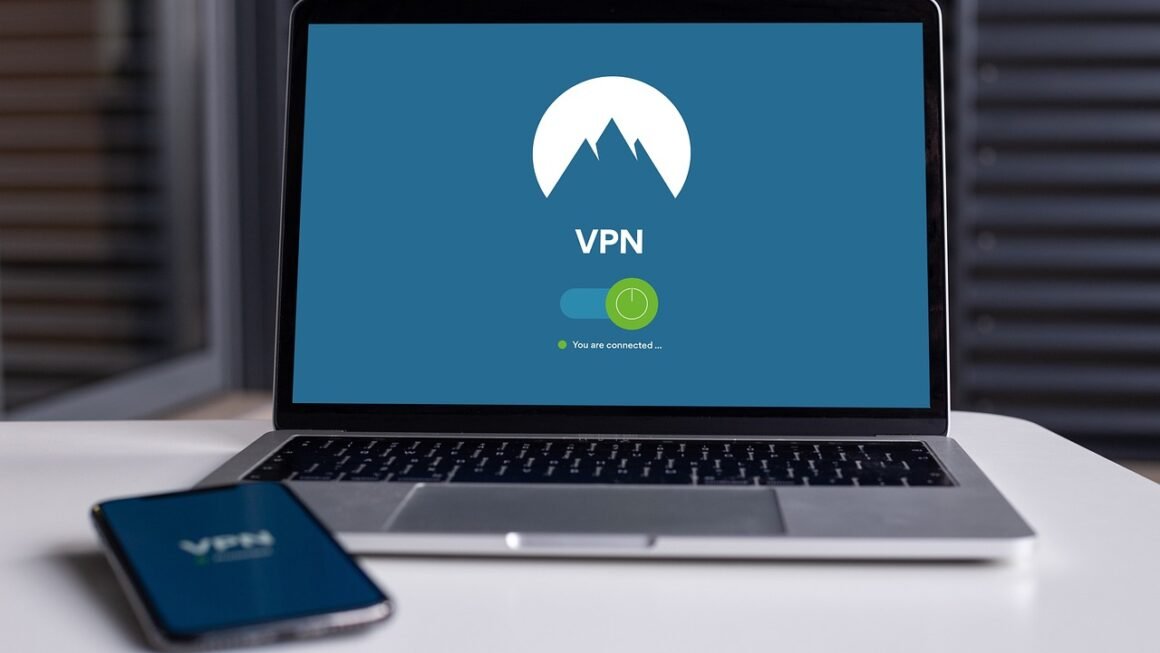
A VPN encrypts your internet traffic and masks your IP address, making it more difficult for websites and third parties to track your online activity.
- How a VPN Works: A VPN creates an encrypted tunnel between your device and a VPN server. All your internet traffic passes through this tunnel, masking your IP address and encrypting your data.
- Benefits of Using a VPN:
Enhanced Privacy: Protects your online activity from being tracked by websites, ISPs, and government agencies.
Secure Public Wi-Fi: Encrypts your data on unsecured public Wi-Fi networks.
Access to Geo-Restricted Content: Allows you to access content that is blocked in your region.
- Choosing a VPN:
Reputable Provider: Choose a VPN provider with a strong reputation and a clear privacy policy.
No-Logs Policy: Ensure the VPN provider does not log your online activity.
Server Locations: Choose a VPN provider with servers in multiple locations to optimize your speed and access to content.
Examples: NordVPN, ExpressVPN, Surfshark. Research reviews and compare features before making a choice.
Protecting Your Data
Using Strong Passwords and Two-Factor Authentication
Strong passwords and two-factor authentication are essential for protecting your accounts from unauthorized access.
- Strong Passwords:
Length: Use at least 12 characters.
Complexity: Include a mix of uppercase and lowercase letters, numbers, and symbols.
Uniqueness: Don’t reuse passwords across multiple accounts.
Password Managers: Use a password manager (e.g., LastPass, 1Password, Bitwarden) to generate and store strong, unique passwords.
- Two-Factor Authentication (2FA):
How it Works: 2FA adds an extra layer of security by requiring a second form of verification (e.g., a code sent to your phone) in addition to your password.
Enable 2FA: Enable 2FA on all your important accounts, including email, social media, and banking.
Authenticator Apps: Use an authenticator app (e.g., Google Authenticator, Authy) instead of SMS for 2FA for increased security. SMS is vulnerable to SIM swapping attacks.
Securing Your Email
Email accounts are often a target for hackers because they contain a wealth of personal information. Here’s how to secure your email:
- Strong Password: Use a strong, unique password for your email account.
- Two-Factor Authentication: Enable 2FA on your email account.
- Phishing Awareness: Be wary of suspicious emails and avoid clicking on links or downloading attachments from unknown senders.
- Email Encryption: Consider using email encryption services (e.g., ProtonMail) to protect the content of your emails.
- Example Gmail: Enable 2-Step Verification under your Google Account security settings.
Managing Cookies and Browser Privacy Settings
Controlling cookies and adjusting your browser privacy settings can help reduce tracking.
- Cookie Management:
Types of Cookies: Understand the difference between first-party and third-party cookies. First-party cookies are set by the website you’re visiting, while third-party cookies are set by other domains (often advertisers).
Browser Settings: Configure your browser to block third-party cookies or to clear cookies automatically when you close the browser.
Cookie Blocking Extensions: Use browser extensions like Privacy Badger or uBlock Origin to block tracking cookies and scripts.
- Browser Privacy Settings:
Do Not Track (DNT): Enable the “Do Not Track” setting in your browser, although many websites ignore this request.
Clear Browsing History: Regularly clear your browsing history, cache, and cookies.
Disable Location Services: Disable location services in your browser settings to prevent websites from tracking your location.
Understanding Data Privacy Laws
Overview of Key Data Privacy Laws
Several data privacy laws exist to protect your personal information. Understanding these laws can help you exercise your rights.
- General Data Protection Regulation (GDPR): A European Union law that grants individuals greater control over their personal data, including the right to access, correct, and delete their data. GDPR applies to any organization that processes the personal data of EU residents, regardless of where the organization is located.
- California Consumer Privacy Act (CCPA): A California law that gives California residents the right to know what personal information businesses collect about them, the right to delete their personal information, and the right to opt-out of the sale of their personal information.
- Other State Laws: Various US states have implemented privacy laws, such as the Virginia Consumer Data Protection Act (VCDPA) and the Colorado Privacy Act (CPA), each with its own specific provisions.
Exercising Your Privacy Rights
Data privacy laws give you certain rights regarding your personal information. Here’s how to exercise them:
- Right to Access: Request access to the personal information that a company holds about you.
- Right to Correct: Request that a company correct any inaccurate or incomplete personal information they hold about you.
- Right to Delete: Request that a company delete your personal information.
- Right to Opt-Out: Opt-out of the sale or sharing of your personal information with third parties.
- How to Exercise Your Rights:
Privacy Policies: Review the privacy policies of websites and services to understand how they collect and use your data.
Contact Information: Find the contact information for the company’s privacy officer or data protection officer.
Data Request Forms: Look for data request forms or processes on the company’s website.
Sample Request: “Dear [Company Name], I am writing to exercise my right to access my personal data under the GDPR/CCPA. Please provide me with a copy of all personal data you hold about me.”
Conclusion
Protecting your online privacy is an ongoing process that requires vigilance and proactive measures. By understanding the threats, adjusting your settings, using privacy-enhancing tools, and exercising your rights under data privacy laws, you can significantly improve your control over your personal information. Don’t wait for a data breach to take action; start implementing these strategies today to safeguard your digital self. Remember to stay informed about the latest privacy threats and adapt your practices accordingly to maintain a robust online privacy posture.