In today’s interconnected world, network security isn’t just an IT department’s concern; it’s a fundamental requirement for businesses of all sizes. A robust network security strategy safeguards sensitive data, protects against financial loss, and maintains business continuity in the face of ever-evolving cyber threats. Understanding the key components of network security and implementing best practices is crucial for staying ahead of potential vulnerabilities and ensuring a secure digital environment. This post will delve into the critical aspects of network security, offering practical advice and actionable strategies to fortify your defenses.
Understanding Network Security Threats
The Evolving Threat Landscape
Network security threats are constantly evolving, becoming more sophisticated and difficult to detect. Understanding the different types of threats is the first step in building a solid defense.
- Malware: This includes viruses, worms, Trojans, and ransomware, designed to infiltrate systems, steal data, or cause damage. A recent study showed that ransomware attacks increased by 13% in 2023.
- Phishing: Deceptive emails or websites designed to trick users into revealing sensitive information such as passwords or credit card details. For example, an email pretending to be from your bank asking you to update your details.
- Denial-of-Service (DoS) and Distributed Denial-of-Service (DDoS) Attacks: Overwhelm a network with traffic, making it unavailable to legitimate users. A DDoS attack can originate from thousands of compromised devices.
- Man-in-the-Middle (MitM) Attacks: Interception of communication between two parties to eavesdrop or manipulate data. This can occur on unsecured Wi-Fi networks.
- SQL Injection: Exploitation of vulnerabilities in database-driven applications to gain unauthorized access to sensitive data.
The Impact of Security Breaches
The consequences of a network security breach can be devastating.
- Financial Loss: Direct losses due to stolen funds, fines for non-compliance (e.g., GDPR), and the cost of remediation.
- Reputational Damage: Loss of customer trust and damage to brand image, leading to long-term business impact.
- Operational Disruption: Downtime and disruption of business operations, leading to decreased productivity and lost revenue.
- Data Loss: Compromised sensitive data, including customer information, intellectual property, and financial records.
Essential Network Security Components
Firewalls
Firewalls act as a barrier between your internal network and the external world, controlling incoming and outgoing network traffic based on predefined security rules.
- Types of Firewalls: Packet filtering, stateful inspection, proxy firewalls, and next-generation firewalls (NGFWs).
- Key Features: Intrusion prevention systems (IPS), application control, and deep packet inspection.
- Practical Example: Configure a firewall to block all traffic from specific countries known for malicious activity.
Intrusion Detection and Prevention Systems (IDS/IPS)
IDS monitors network traffic for malicious activity and suspicious patterns, while IPS actively blocks or prevents detected threats.
- IDS: Detects suspicious activity and alerts administrators. Example: Snort, Suricata.
- IPS: Takes automated actions to block or prevent threats. Example: Bro (now Zeek).
- Implementation: Place IDS/IPS sensors at strategic points in the network to monitor traffic flow.
Virtual Private Networks (VPNs)
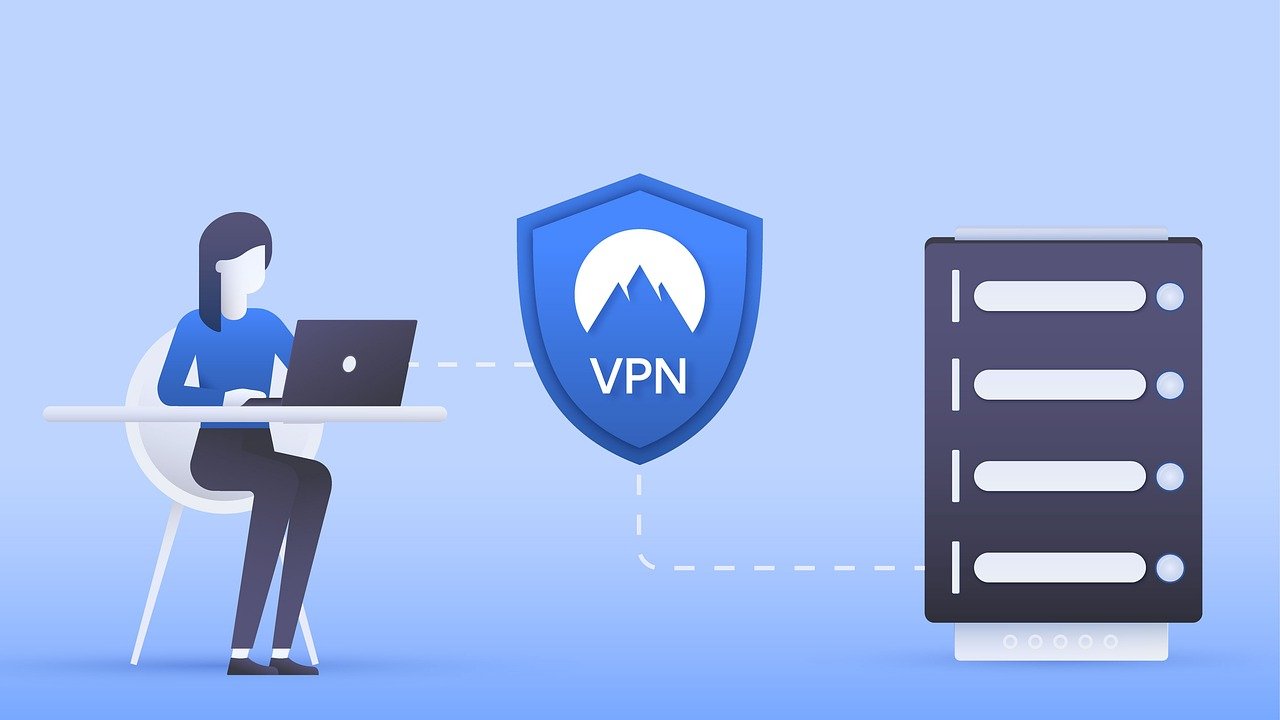
VPNs create a secure, encrypted connection over a public network, allowing remote users to access network resources securely.
- Benefits: Secure remote access, data encryption, and protection from eavesdropping.
- Protocols: OpenVPN, IPsec, L2TP/IPsec.
- Use Case: Employees connecting to the corporate network from home or while traveling.
Endpoint Security
Securing individual devices (endpoints) such as laptops, desktops, and mobile devices is crucial, as they are often the entry point for attacks.
- Antivirus/Antimalware Software: Detects and removes malicious software.
- Endpoint Detection and Response (EDR): Monitors endpoints for suspicious activity and provides tools for investigation and response.
- Device Encryption: Protects data on lost or stolen devices. For example, enabling BitLocker on Windows or FileVault on macOS.
- Personal Firewalls: Provide an extra layer of protection on individual devices.
Best Practices for Network Security
Regular Security Audits and Vulnerability Assessments
Periodic security audits and vulnerability assessments help identify weaknesses in your network infrastructure.
- Frequency: Conduct regular audits (at least annually) and vulnerability assessments more frequently (quarterly or monthly).
- Tools: Nessus, OpenVAS, Qualys.
- Actionable Takeaway: Implement a plan to address identified vulnerabilities promptly.
Strong Password Policies and Multi-Factor Authentication (MFA)
Strong passwords and MFA are essential for preventing unauthorized access.
- Password Policies: Enforce strong password requirements (length, complexity, and regular changes).
- MFA: Require users to provide two or more authentication factors (e.g., password and a code from a mobile app).
- Example: Use a password manager to generate and store strong passwords.
Network Segmentation
Dividing your network into smaller, isolated segments limits the impact of a security breach.
- Benefits: Isolates sensitive data, reduces the attack surface, and contains breaches.
- Implementation: Use VLANs (Virtual LANs) to segment the network based on function or security level.
Keep Software Updated
Regularly updating software patches security vulnerabilities and protects against known exploits.
- Patch Management: Implement a robust patch management process to ensure timely updates.
- Automated Updates: Enable automatic updates where possible, but test updates in a non-production environment first.
Employee Training and Awareness
Human error is a significant factor in many security breaches.
- Training: Provide regular security awareness training to employees on topics such as phishing, password security, and data handling.
- Simulated Phishing Attacks: Conduct simulated phishing attacks to test employee awareness and identify areas for improvement.
- Policy Enforcement: Establish and enforce clear security policies.
The Role of Network Security Tools
Security Information and Event Management (SIEM)
SIEM systems collect and analyze security data from various sources to detect threats and provide security insights.
- Benefits: Centralized logging, threat detection, and incident response.
- Examples: Splunk, IBM QRadar, ArcSight.
- Key Features: Real-time monitoring, correlation of events, and automated incident response.
Penetration Testing
Penetration testing involves simulating real-world attacks to identify vulnerabilities in your network.
- Benefits: Uncovers hidden vulnerabilities, tests security controls, and improves incident response capabilities.
- Types: Black box, white box, and gray box testing.
- Professional Services: Engage certified ethical hackers to conduct penetration testing.
Cloud Security Solutions
As more organizations move to the cloud, securing cloud environments is critical.
- Cloud Access Security Brokers (CASBs): Monitor and control access to cloud applications.
- Cloud Workload Protection Platforms (CWPPs): Protect cloud workloads from threats.
- Cloud Security Posture Management (CSPM): Automate security best practices and compliance in the cloud.
Conclusion
Network security is an ongoing process that requires continuous monitoring, adaptation, and investment. By understanding the evolving threat landscape, implementing essential security components, and adhering to best practices, organizations can significantly reduce their risk of cyber attacks and protect their valuable assets. Investing in network security is not just an expense; it’s a crucial investment in the long-term success and sustainability of your business. Remember to prioritize regular audits, employee training, and keeping your systems updated to maintain a strong security posture.