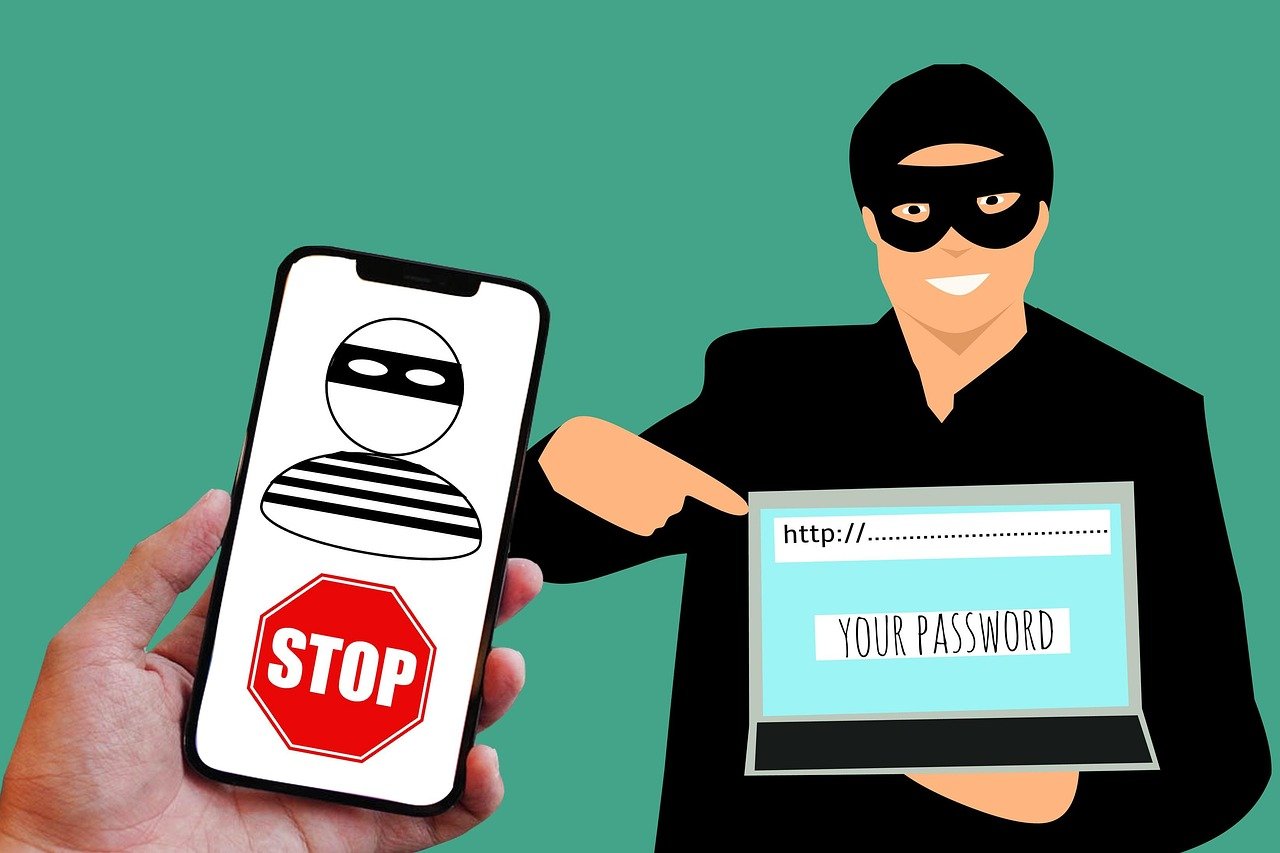
Imagine discovering fraudulent charges on your credit card, or worse, finding out someone has opened accounts in your name. The sinking feeling, the confusion, the sheer violation – these are all too real experiences for millions who fall victim to identity theft each year. Protecting yourself from this pervasive crime is crucial in today’s digital age, and understanding the different forms it takes and the steps you can take to safeguard your personal information is the first line of defense.
Understanding Identity Theft: A Comprehensive Guide
Identity theft occurs when someone steals your personal information, such as your Social Security number, credit card details, or bank account information, and uses it without your permission for fraudulent purposes. This can range from making unauthorized purchases to opening new accounts, filing false tax returns, or even committing crimes. The consequences can be devastating, impacting your finances, credit rating, and even your reputation.
Common Types of Identity Theft
- Credit Card Fraud: This involves unauthorized use of your credit card details to make purchases or open new accounts.
Example: Skimming at a gas pump or restaurant, phishing emails tricking you into providing your card details.
- Government Documents and Benefits Fraud: Thieves use your identity to file fraudulent tax returns for refunds, receive government benefits, or obtain driver’s licenses or passports.
Example: Someone uses your stolen Social Security number to claim unemployment benefits in your name.
- Medical Identity Theft: This involves using your personal information to obtain medical care, prescriptions, or commit insurance fraud.
Example: Someone uses your insurance information to see a doctor, leading to inaccurate information in your medical records.
- Financial Identity Theft: Criminals use your information to open bank accounts, apply for loans, or commit other financial crimes.
Example: A thief opens a new bank account in your name and uses it to cash fraudulent checks.
The Scope of the Problem: Statistics and Impact
According to the Federal Trade Commission (FTC), identity theft is a persistent and growing problem. In 2023, the FTC received millions of reports of identity theft. The financial impact can be significant, costing victims thousands of dollars and countless hours to resolve the issues. Beyond the financial costs, identity theft can lead to emotional distress, damaged credit scores, and difficulty obtaining loans or employment.
How Identity Thieves Obtain Your Information
Understanding how identity thieves operate is crucial to preventing the crime. They employ various methods, both online and offline, to steal your personal data.
Online Techniques
- Phishing: This involves sending deceptive emails or text messages that appear to be from legitimate organizations, such as banks or government agencies, in an attempt to trick you into providing your personal information.
Example: An email claiming your bank account has been compromised and asking you to click a link to verify your information. Always check the sender’s address and look for grammatical errors.
- Malware: This is malicious software that can be installed on your computer or mobile device without your knowledge, allowing thieves to steal your personal information, such as passwords and credit card details.
Example: Downloading a suspicious file or clicking on a malicious link can install malware on your device.
- Hacking: This involves gaining unauthorized access to computer systems or networks to steal data.
Example: Hacking into a company’s database to steal customer information.
- Smishing: This is phishing via SMS text messages.
- Vishing: This is phishing via phone calls.
Offline Techniques
- Dumpster Diving: This involves searching through trash to find discarded documents containing personal information.
Example: Finding discarded bank statements, credit card bills, or pre-approved credit card offers in your trash. Shredding these documents before discarding them is essential.
- Mail Theft: This involves stealing mail from your mailbox to obtain personal information.
Example: Stealing credit card statements, tax documents, or checks from your mailbox.
- Shoulder Surfing: This involves watching someone enter their PIN or password at an ATM or point-of-sale terminal.
Example: Someone standing close behind you at an ATM and watching you enter your PIN.
- Social Engineering: Manipulating individuals into divulging confidential information.
Example: Posing as a representative from a utility company and asking for account information.
Protecting Yourself from Identity Theft: Preventative Measures
The best defense against identity theft is to take proactive steps to protect your personal information. Here are some essential preventative measures:
Safeguarding Your Personal Information
- Shred sensitive documents: Before discarding any documents containing personal information, such as bank statements, credit card bills, and pre-approved credit card offers, shred them thoroughly.
- Protect your Social Security number: Only provide your Social Security number when absolutely necessary and never carry your Social Security card in your wallet.
- Use strong passwords: Create strong, unique passwords for all your online accounts and avoid using the same password for multiple accounts. Use a password manager to help.
- Be wary of phishing emails and scams: Be cautious of unsolicited emails or phone calls asking for personal information. Never click on links or download attachments from suspicious sources. Always verify the sender’s identity before providing any information.
- Secure your mail: Collect your mail promptly and consider using a locking mailbox.
- Monitor your credit report: Regularly check your credit report from all three major credit bureaus (Equifax, Experian, and TransUnion) to identify any unauthorized activity. You are entitled to one free credit report from each bureau per year at AnnualCreditReport.com.
- Secure your mobile devices: Use a strong passcode or biometric authentication to lock your mobile devices and install anti-malware software.
- Use a VPN on public Wi-Fi: When using public Wi-Fi networks, use a Virtual Private Network (VPN) to encrypt your internet traffic and protect your personal information.
- Be careful on social media: Avoid sharing sensitive personal information on social media platforms.
Credit Monitoring and Identity Theft Protection Services
- Credit Monitoring: These services monitor your credit report for suspicious activity and alert you to any changes, such as new accounts opened in your name or inquiries made on your credit report.
Benefits: Early detection of fraud, faster resolution of issues.
Considerations: Cost, features, and level of protection offered.
- Identity Theft Protection Services: These services offer a broader range of protection, including monitoring your credit report, scanning the dark web for your personal information, and providing assistance with identity restoration.
Benefits: Comprehensive protection, assistance with resolving identity theft issues.
Considerations: Cost, reputation, and features offered.
What to Do If You Become a Victim of Identity Theft
Despite taking preventative measures, you may still become a victim of identity theft. If you suspect your identity has been stolen, take the following steps immediately:
Immediate Actions to Take
- Report the identity theft to the FTC: File a report online at IdentityTheft.gov. This report is an important step in recovering from identity theft.
- Contact the credit bureaus: Place a fraud alert on your credit report with Equifax, Experian, and TransUnion. This will alert lenders to verify your identity before opening any new accounts in your name.
Equifax: 1-800-525-6285
Experian: 1-888-397-3742
TransUnion: 1-800-680-7289
- File a police report: Report the identity theft to your local police department.
- Contact your financial institutions: Notify your banks, credit card companies, and other financial institutions immediately and close any accounts that have been compromised.
- Review your credit reports: Carefully review your credit reports for any unauthorized activity and dispute any inaccurate information.
- Change your passwords: Change the passwords for all your online accounts, including your email, social media, and banking accounts.
- Consider a credit freeze: A credit freeze restricts access to your credit report, making it more difficult for identity thieves to open new accounts in your name. You can lift the freeze temporarily when you need to apply for credit.
Resolving the Damage and Restoring Your Identity
- Dispute fraudulent charges: If you find any unauthorized charges on your credit card statements or bank accounts, dispute them immediately with the relevant financial institution.
- Contact creditors: If identity thieves have opened new accounts in your name, contact the creditors to close the accounts and dispute any outstanding balances.
- Keep detailed records: Maintain detailed records of all your communications with the FTC, credit bureaus, financial institutions, and law enforcement agencies.
- Be patient: Restoring your identity can be a lengthy and challenging process. Be prepared to spend time and effort to resolve the issues.
Conclusion
Identity theft is a serious crime with potentially devastating consequences. By understanding the risks, taking preventative measures, and knowing what to do if you become a victim, you can significantly reduce your risk and protect your personal information. Stay vigilant, monitor your accounts regularly, and always be cautious of unsolicited requests for your personal information. Remember, staying informed and proactive is key to safeguarding your identity in today’s digital world.