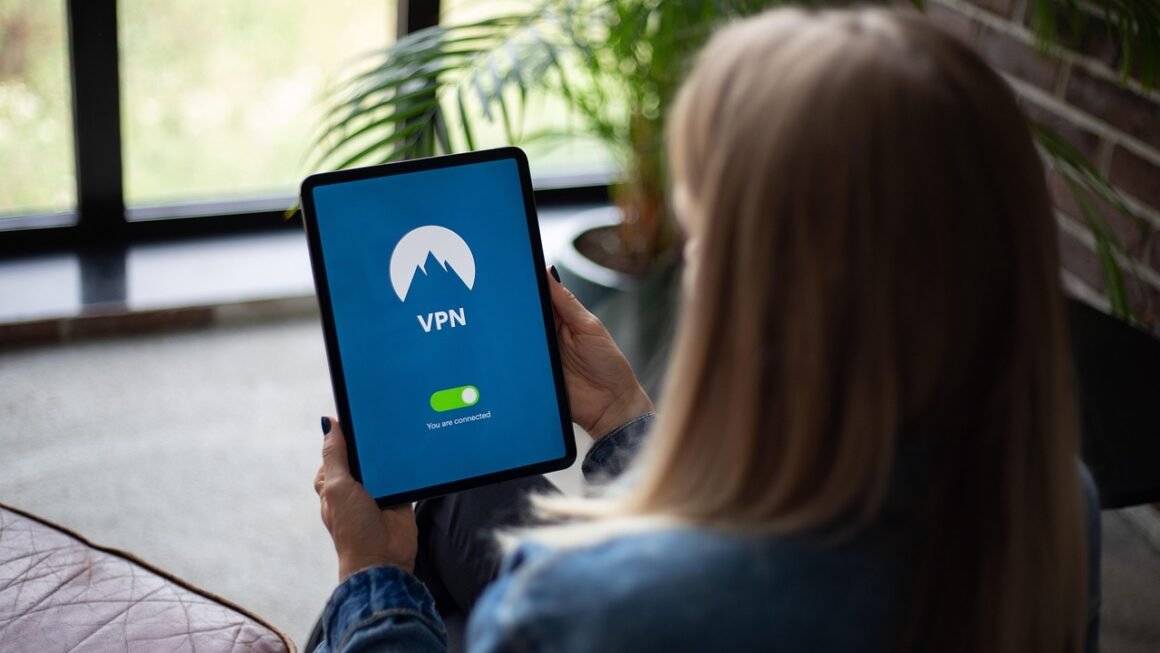
Bypassing geo-restrictions has become a common practice for internet users who want access to content not available in their location. Whether it’s streaming services, news articles, or social media platforms, geo-blocking can be frustrating. This post explores practical methods to circumvent these restrictions, helping you unlock global content while understanding the implications and best practices.
Understanding Geo-Restrictions
What are Geo-Restrictions?
Geo-restrictions, also known as geo-blocking, are technological limitations that restrict access to online content based on the user’s geographical location. This is often implemented using IP address tracking, which reveals the country or region a user is connecting from.
Why are Geo-Restrictions Implemented?
Companies and content providers use geo-restrictions for various reasons:
- Copyright Laws: Licensing agreements often limit the distribution of content to specific regions.
- Content Licensing Agreements: Distribution rights for movies, TV shows, and music are frequently restricted by geographic region.
- Pricing Strategies: Companies may adjust pricing based on the cost of living or market conditions in different countries.
- Compliance with Local Laws: Some content might be illegal or restricted in certain regions due to local regulations.
- Marketing and Promotional Campaigns: Companies might launch region-specific promotions or product releases.
The Frustrations of Geo-Blocking
For internet users, geo-restrictions can lead to:
- Limited Access to Desired Content: Missing out on movies, TV shows, or news coverage available elsewhere.
- Inconvenience and Annoyance: Having to resort to workarounds to access content that should be freely available.
- Potential for Higher Costs: Paying for services that offer inferior content libraries compared to other regions.
Methods to Bypass Geo-Restrictions
Using a Virtual Private Network (VPN)
A VPN encrypts your internet traffic and routes it through a server in a location of your choice, effectively masking your IP address. This allows you to appear as if you are browsing from that specific location, bypassing geo-restrictions.
- How it Works: The VPN creates a secure tunnel between your device and a remote server, encrypting your data and changing your IP address to that of the server.
- Example: If you are in Europe and want to access a US-only streaming service, you can connect to a VPN server located in the United States.
- Choosing a VPN: Look for VPNs with:
A large number of servers in multiple countries.
Strong encryption protocols (e.g., OpenVPN, WireGuard).
A strict no-logs policy to ensure your activity is not tracked.
Fast connection speeds for smooth streaming.
- Popular VPN Providers: NordVPN, ExpressVPN, Surfshark, CyberGhost.
Utilizing Proxy Servers
Proxy servers act as intermediaries between your device and the internet, forwarding your requests through their server. This masks your IP address, allowing you to bypass geo-restrictions.
- How it Works: Your internet requests are routed through the proxy server, which then retrieves the content and sends it back to you.
- Types of Proxies:
HTTP Proxies: Primarily used for web browsing.
SOCKS Proxies: Support a wider range of applications and protocols.
* Transparent Proxies: Often used by organizations to monitor internet usage and are less effective at bypassing restrictions.
- Example: Using a proxy server located in the UK to access BBC iPlayer from outside the UK.
- Considerations: Proxy servers can be slower than VPNs, and free proxy servers often have security risks.
Changing DNS Servers
Domain Name System (DNS) servers translate domain names (e.g., google.com) into IP addresses. Some DNS servers can be configured to bypass geo-restrictions.
- How it Works: By using a DNS server that is designed to circumvent geo-blocking, you can access content that would normally be restricted.
- Example: Configuring your device or router to use a DNS server like Smart DNS Proxy or Unlocator.
- Benefits: DNS changes are typically faster than VPNs, and they don’t encrypt your traffic, which can improve performance.
- Limitations: DNS changes may not work for all geo-restricted content, and they don’t offer the same level of security as a VPN.
Using the Tor Browser
The Tor browser is a free and open-source browser that anonymizes your online activity by routing your traffic through a network of volunteer-operated relays.
- How it Works: Tor encrypts your data and bounces it through multiple servers, making it difficult to trace your IP address.
- Example: Using Tor to access websites that are blocked in your country due to censorship.
- Advantages: Provides strong anonymity and can bypass many geo-restrictions.
- Disadvantages: Can be significantly slower than other methods due to the multiple layers of encryption and routing.
Legal and Ethical Considerations
Understanding the Legal Landscape
While bypassing geo-restrictions is generally not illegal in most countries, it may violate the terms of service of specific streaming platforms or websites.
- Terms of Service: Always review the terms of service of the websites or services you are accessing.
- Copyright Infringement: Avoid downloading or distributing copyrighted material illegally, even if you are bypassing geo-restrictions.
- Country-Specific Laws: Be aware of any local laws that might restrict access to certain types of content.
Ethical Considerations
Consider the ethical implications of bypassing geo-restrictions, particularly in relation to content creators and distributors.
- Supporting Content Creators: Consider whether bypassing geo-restrictions undermines the ability of content creators to monetize their work in specific regions.
- Respecting Licensing Agreements: Be mindful of the licensing agreements that govern the distribution of content.
Best Practices for Bypassing Geo-Restrictions
Choosing the Right Method
Select the method that best suits your needs, considering factors such as speed, security, and ease of use.
- VPN: Ideal for secure and reliable access to a wide range of geo-restricted content.
- Proxy Server: Suitable for basic geo-blocking and quick access to content when speed isn’t a primary concern.
- DNS Server: A good option for streaming services where speed is important, but security is less of a concern.
- Tor Browser: Best for anonymity and accessing highly censored content, but at the cost of speed.
Ensuring Security and Privacy
Prioritize your online security and privacy when bypassing geo-restrictions.
- Use Reputable VPNs/Proxies: Choose providers with strong security measures and a good track record.
- Keep Software Updated: Ensure your VPN or proxy client and operating system are up-to-date with the latest security patches.
- Be Wary of Free Services: Free VPNs and proxies may collect your data or inject malware.
- Use Strong Passwords: Protect your accounts with strong, unique passwords.
Conclusion
Bypassing geo-restrictions opens up a world of content, but it’s essential to do so responsibly and safely. By understanding the methods available, their limitations, and the legal and ethical considerations involved, you can enjoy unrestricted access to global content while protecting your online security and privacy. Choose the right method based on your specific needs and always prioritize using reputable and secure services.