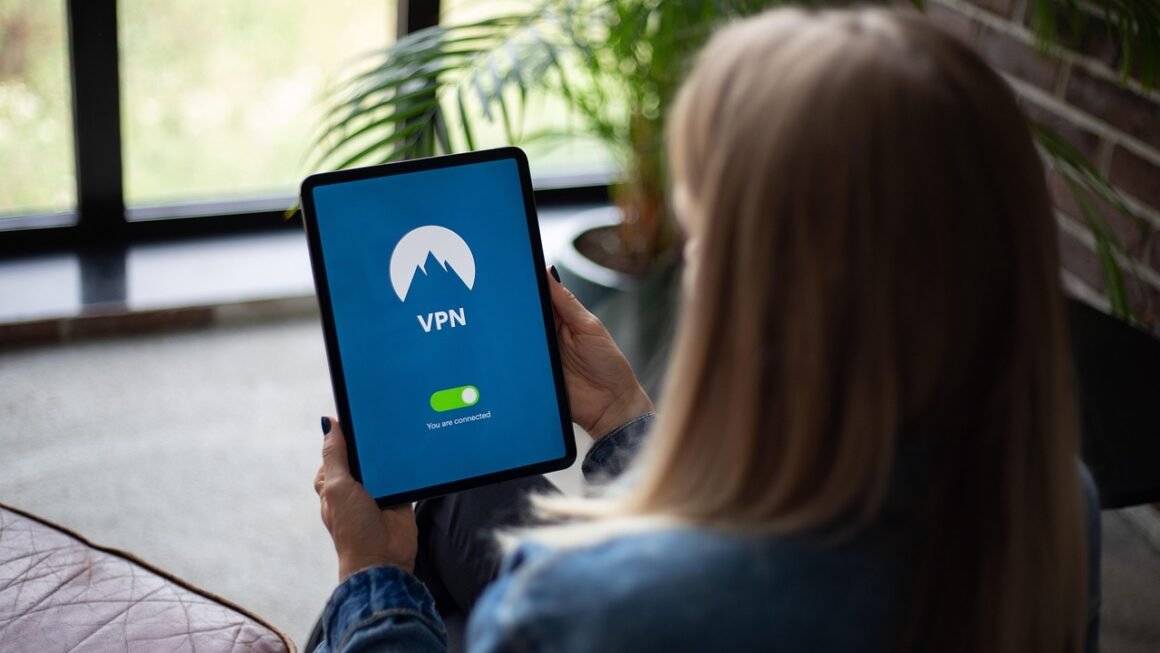
A VPN, or Virtual Private Network, has become an increasingly vital tool in today’s digital landscape. With growing concerns over data privacy, government surveillance, and the security of personal information online, understanding how a VPN can protect your privacy is crucial. This comprehensive guide explores the intricacies of VPNs and how they safeguard your online activities.
What is a VPN and How Does it Enhance Privacy?
The Basics of VPN Technology
At its core, a VPN creates a secure, encrypted tunnel for your internet traffic. When you connect to a VPN server, your data is encrypted before it leaves your device, making it unreadable to anyone who might be intercepting it. This encrypted data then travels to the VPN server, which decrypts it and forwards it to the website or service you’re accessing. Essentially, a VPN masks your IP address and encrypts your internet traffic, providing an extra layer of security and anonymity.
- Encryption: Converts data into an unreadable format using algorithms.
- IP Masking: Hides your real IP address by assigning you one from the VPN server.
- Tunneling: Creates a secure, private connection through a public network.
Why Privacy Matters in the Digital Age
In today’s interconnected world, our digital footprint grows larger every day. Every online search, every social media post, and every online purchase contributes to a vast collection of personal data. This data can be used for various purposes, some benign (like personalized advertising) and some potentially harmful (like identity theft or government surveillance). A VPN helps you take control of your online privacy by limiting the amount of information that can be collected and tracked.
- Data Collection: Websites, ISPs, and governments can track your online activities.
- Targeted Advertising: Personalized ads based on your browsing history and preferences.
- Surveillance: Government agencies monitoring online communications.
- Identity Theft: Hackers stealing personal information for malicious purposes.
Key Benefits of Using a VPN for Privacy
Securing Public Wi-Fi Connections
Public Wi-Fi hotspots, such as those in coffee shops and airports, are notoriously insecure. They often lack encryption, making them vulnerable to hackers who can intercept your data. Using a VPN on public Wi-Fi encrypts your data, protecting your passwords, financial information, and other sensitive data from prying eyes. Imagine working on sensitive documents at a local cafe; without a VPN, this information could be easily accessed by malicious individuals on the same network.
- Encryption on Unsecured Networks: Prevents data interception by hackers.
- Protection of Personal Information: Safeguards passwords, credit card details, and login credentials.
- Peace of Mind: Allows you to use public Wi-Fi without worrying about security risks.
Bypassing Censorship and Geo-Restrictions
Many countries impose censorship on the internet, restricting access to certain websites, social media platforms, and news sources. Similarly, some streaming services and online content providers implement geo-restrictions, limiting access to content based on your location. A VPN allows you to bypass these restrictions by connecting to a server in a different country, effectively masking your location and allowing you to access blocked content. For example, someone living in a country with strict censorship laws can use a VPN to access uncensored news and information.
- Access to Blocked Content: Unblocks censored websites and social media platforms.
- Bypassing Geo-Restrictions: Allows access to streaming services and other content that is not available in your region.
- Freedom of Information: Enables access to a wider range of perspectives and news sources.
Preventing ISP Tracking
Internet Service Providers (ISPs) can track your online activities and collect data about your browsing history, location, and online habits. This data can then be used for targeted advertising or sold to third parties. A VPN encrypts your internet traffic, preventing your ISP from monitoring your online activities. While the VPN provider itself can technically see your traffic, reputable VPNs have strict no-logs policies, meaning they don’t store any data about your online activities. Think of it as sending a package in a sealed, unmarked box – the shipping company knows it’s a package, but not what’s inside.
- Data Privacy: Prevents ISPs from collecting and selling your browsing history.
- Reduced Targeted Advertising: Limits the amount of personalized ads you see based on your online activities.
- Increased Anonymity: Makes it harder for third parties to track your online behavior.
Choosing the Right VPN for Your Needs
Important Features to Look For
Not all VPNs are created equal. When choosing a VPN, it’s important to consider several factors, including security features, server locations, speed, and price. Look for VPNs that offer strong encryption, a no-logs policy, a wide range of server locations, and fast connection speeds.
- Encryption Standards: Look for VPNs that use AES-256 encryption, which is considered the industry standard.
- No-Logs Policy: Ensure that the VPN provider has a strict policy of not storing any logs of your online activities.
- Server Locations: Choose a VPN with a wide range of server locations to bypass geo-restrictions and access content from different countries.
- Speed and Bandwidth: Opt for a VPN with fast connection speeds and unlimited bandwidth to ensure a smooth browsing experience.
- Kill Switch: A kill switch automatically disconnects your internet connection if the VPN connection drops, preventing your data from being exposed.
Free vs. Paid VPNs: Which is Better for Privacy?
While free VPNs may seem attractive, they often come with significant drawbacks. Free VPNs may have slower connection speeds, limited bandwidth, and a smaller selection of server locations. More importantly, some free VPNs may collect and sell your data to third parties, defeating the purpose of using a VPN for privacy. Paid VPNs, on the other hand, typically offer better security, faster speeds, and a stronger commitment to privacy.
- Free VPNs: May collect and sell your data, have slower speeds, and limited features.
- Paid VPNs: Offer better security, faster speeds, and a stronger commitment to privacy.
- Recommendation: In most cases, a paid VPN is a better choice for protecting your privacy. Consider it an investment in your digital security.
Setting Up and Using a VPN
Installation and Configuration
Setting up a VPN is typically a straightforward process. Most VPN providers offer user-friendly apps for various devices, including computers, smartphones, and tablets. Simply download the app, install it on your device, and follow the instructions to connect to a VPN server. Some VPNs also offer browser extensions, which can be used to encrypt your browser traffic without encrypting all of your internet traffic.
- Download the VPN app from the provider’s website or app store.
- Install the app on your device and create an account.
- Choose a server location and connect to the VPN.
- Verify that the VPN is working by checking your IP address.
Best Practices for Maximizing Privacy
Using a VPN is just one piece of the privacy puzzle. To maximize your online privacy, it’s important to adopt other best practices, such as using strong passwords, enabling two-factor authentication, and being mindful of the information you share online. Regularly review your privacy settings on social media platforms and other online services. Using a privacy-focused browser like Brave or Firefox with privacy extensions like Privacy Badger can further enhance your online anonymity.
- Use Strong Passwords: Create complex and unique passwords for all of your online accounts.
- Enable Two-Factor Authentication: Add an extra layer of security to your accounts by requiring a second form of verification.
- Be Mindful of What You Share Online: Think before you post on social media or share personal information online.
- Use Privacy-Focused Browsers and Extensions: Consider using browsers like Brave or Firefox with privacy extensions like Privacy Badger.
Conclusion
A VPN is a powerful tool for protecting your online privacy in an increasingly interconnected world. By encrypting your internet traffic and masking your IP address, a VPN can help you secure your data, bypass censorship, and prevent your ISP from tracking your online activities. While choosing the right VPN and adopting other privacy best practices are crucial, the benefits of using a VPN for privacy are undeniable. Take control of your digital footprint and safeguard your personal information with a reliable VPN service.