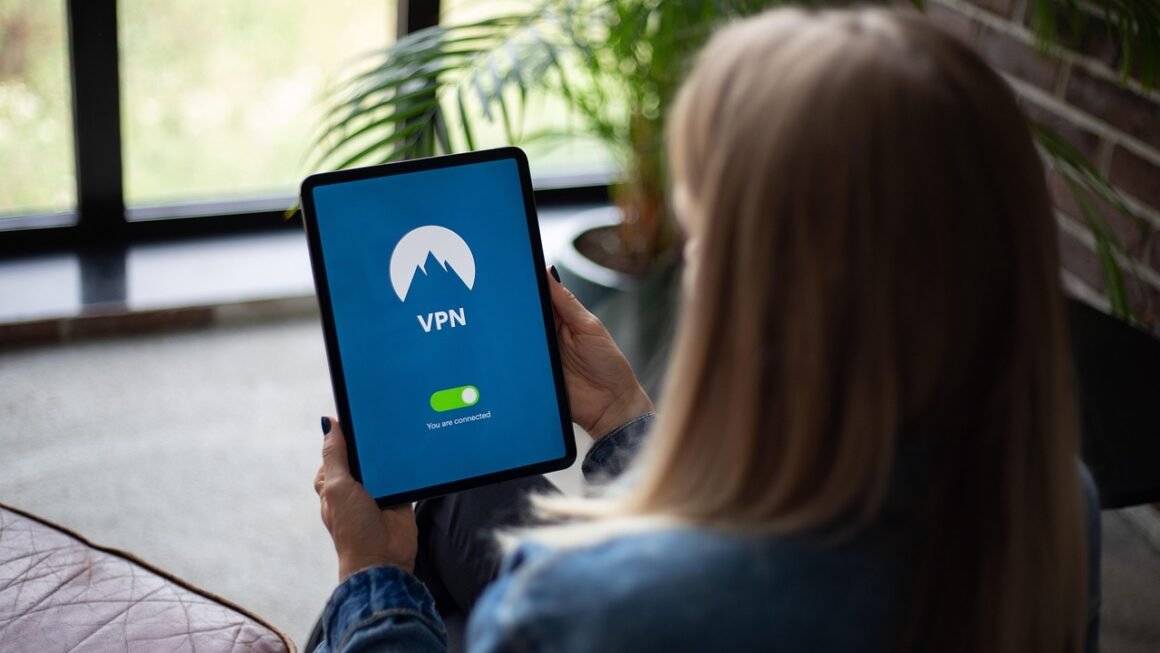
In today’s digital landscape, where data breaches and online tracking are increasingly common, the concept of anonymous browsing is more critical than ever. Whether you’re concerned about privacy from corporations, governments, or simply want to protect your personal information while online, understanding the methods and tools for anonymous browsing is essential for navigating the internet safely and securely. This guide will provide a comprehensive overview of anonymous browsing, including practical tips and techniques to enhance your online privacy.
What is Anonymous Browsing?
Anonymous browsing, at its core, is the practice of using the internet in a way that hides your identity and online activity from being tracked and linked back to you. It’s about minimizing the digital footprint you leave behind as you surf the web. This doesn’t necessarily mean engaging in illegal activities, but rather exercising your right to privacy and control over your personal data.
Understanding the Risks of Standard Browsing
- IP Address Tracking: Your IP address is a unique identifier assigned to your device when you connect to the internet. Websites and online services can use it to pinpoint your approximate location.
- Cookies: These small text files are stored on your computer by websites to remember information about you, such as login details, shopping cart contents, and browsing history. Third-party cookies, in particular, can track your activity across multiple websites.
- Browser Fingerprinting: This advanced technique collects information about your browser, operating system, and installed plugins to create a unique “fingerprint” that can be used to identify you even if you clear cookies and use a different IP address.
- Data Collection by ISPs: Your Internet Service Provider (ISP) can monitor your online activity and potentially sell this data to advertisers or other third parties.
Benefits of Anonymous Browsing
- Enhanced Privacy: Protect your personal information from being collected and used without your consent.
- Increased Security: Reduce the risk of being targeted by cybercriminals who may try to steal your data or compromise your devices.
- Freedom of Expression: Browse sensitive topics or access information without fear of censorship or surveillance.
- Price Discrimination Avoidance: Some websites may charge you higher prices based on your location or browsing history. Anonymous browsing can help you avoid this.
- Circumventing Geo-restrictions: Access content that is restricted in your region.
Tools for Anonymous Browsing
There are several tools available to help you browse the internet anonymously. Each offers different levels of protection and convenience.
Virtual Private Networks (VPNs)
A VPN creates an encrypted tunnel between your device and a VPN server, masking your IP address and encrypting your internet traffic.
- How it Works: Your data is routed through the VPN server, making it appear as if you are browsing from the server’s location.
- Benefits:
Hides your IP address and encrypts your internet traffic.
Protects your data on public Wi-Fi networks.
Allows you to bypass geo-restrictions.
- Examples: NordVPN, ExpressVPN, Surfshark
Tor Browser
Tor (The Onion Router) is a free and open-source browser that routes your internet traffic through a network of volunteer-operated servers, making it extremely difficult to trace your activity back to you.
- How it Works: Tor uses a multi-layered encryption process, like an onion, where each layer is decrypted by a different server in the network.
- Benefits:
Provides a high level of anonymity.
Free and open-source.
- Limitations: Can be slower than other browsing methods due to the multiple layers of encryption and routing.
Proxy Servers
A proxy server acts as an intermediary between your device and the internet. When you use a proxy server, your internet traffic is routed through the proxy server, which then requests the web pages or resources you want to access.
- How it Works: Your IP address is hidden by the proxy server’s IP address.
- Types: HTTP proxies, SOCKS proxies
- Benefits:
Can hide your IP address.
Can be used to bypass geo-restrictions.
- Limitations: May not encrypt your internet traffic, making it less secure than a VPN. Free proxy servers can be unreliable and may track your activity.
Anonymous Search Engines
Standard search engines like Google and Bing track your search queries and browsing history to personalize your search results and serve targeted ads. Anonymous search engines don’t track your searches or collect your personal information.
- Examples: DuckDuckGo, Startpage
- Benefits:
Provides unbiased search results.
* Doesn’t track your search queries.
- Considerations: Search results may not be as personalized as those from standard search engines.
Best Practices for Anonymous Browsing
Using the right tools is only part of the equation. Following these best practices will further enhance your anonymity online.
Use Strong Passwords and a Password Manager
- Why: Weak passwords are easy to crack and can compromise your accounts.
- How: Use a password manager like LastPass or 1Password to generate and store strong, unique passwords for all your online accounts.
Disable Location Services
- Why: Many websites and apps request access to your location.
- How: Disable location services in your browser and operating system settings.
Clear Cookies and Cache Regularly
- Why: Cookies and cached data can track your browsing activity.
- How: Clear your browser’s cookies and cache regularly, or use a browser extension that automatically clears them.
Use HTTPS Everywhere
- Why: HTTPS encrypts the connection between your browser and the website you’re visiting, protecting your data from eavesdropping.
- How: Install the HTTPS Everywhere browser extension, which automatically forces websites to use HTTPS whenever possible.
Be Careful About What You Share Online
- Why: Even with anonymous browsing tools, it’s important to be mindful of the information you share online.
- How: Avoid sharing sensitive personal information on public forums or social media.
Two-Factor Authentication (2FA)
- Why: Adds an extra layer of security to your accounts.
- How: Enable 2FA on all your important accounts using an authenticator app or a hardware security key.
Understanding the Limitations of Anonymous Browsing
It’s important to understand that no method of anonymous browsing is completely foolproof.
Correlation Attacks
- What: Even with VPNs or Tor, sophisticated adversaries may be able to correlate your browsing activity with your real identity through traffic analysis or other techniques.
Data Leaks
- What: VPNs and proxy servers can sometimes leak your real IP address due to misconfigurations or vulnerabilities.
Human Error
- What: The biggest threat to anonymity is often human error. Accidentally logging into your Google account while using Tor, for example, can compromise your anonymity.
Jurisdiction and Legal Considerations
- What: Using anonymous browsing tools to engage in illegal activities is still illegal. In some jurisdictions, using VPNs or Tor may be restricted or even prohibited.
Conclusion
Anonymous browsing is an essential skill in today’s digital world. By understanding the risks and utilizing the right tools and techniques, you can significantly enhance your online privacy and protect your personal information. While no method is perfect, a layered approach that combines VPNs, Tor, anonymous search engines, and best practices can provide a robust level of anonymity. Remember to stay informed, be vigilant, and always prioritize your online security.