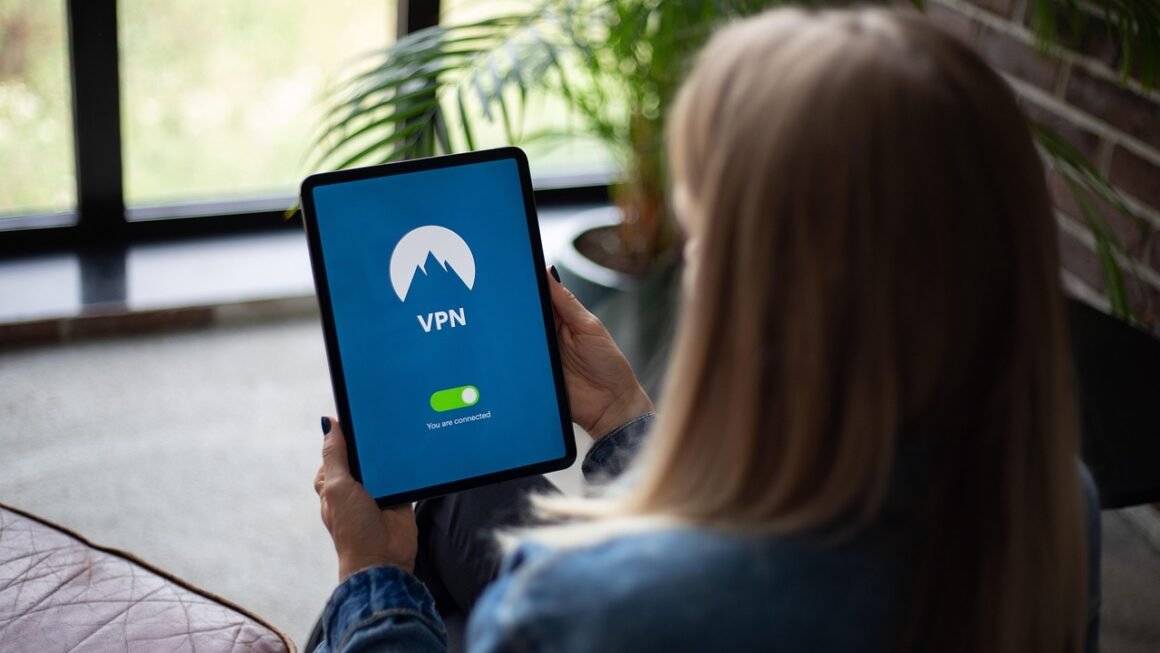
Access to information is a cornerstone of modern society, yet website blocking is becoming increasingly prevalent. Whether it’s due to geographical restrictions, censorship, or workplace policies, encountering a blocked website can be frustrating. This comprehensive guide explores various methods to unblock websites, helping you navigate the digital landscape with greater freedom and access the content you need.
Understanding Website Blocking
Why are Websites Blocked?
Website blocking can occur for various reasons, often falling into a few common categories:
- Geographical Restrictions (Geo-blocking): Content owners may limit access to specific regions due to licensing agreements or market strategies. For example, streaming services like Netflix often have different content libraries in different countries.
- Censorship: Governments may block websites deemed politically sensitive or in violation of local laws. This is more common in countries with strict internet regulations.
- Workplace or School Policies: Employers and educational institutions often block websites considered distracting, unproductive, or potentially harmful, such as social media, gaming sites, or sites with inappropriate content.
- Copyright Infringement: Websites hosting or linking to copyrighted material may be blocked to prevent illegal distribution.
The Different Levels of Blocking
Website blocking can be implemented at different levels, each requiring different approaches to bypass:
- DNS Blocking: The simplest method, where the Domain Name System (DNS) server is configured to return an incorrect IP address for a blocked website.
- IP Address Blocking: A more robust method where specific IP addresses associated with a website are blocked.
- URL Filtering: Blocking specific URLs or patterns within URLs, often used to block specific pages on a website.
- Deep Packet Inspection (DPI): The most advanced method, where network traffic is analyzed to identify and block specific content or protocols. DPI can identify VPN traffic, making it harder to bypass restrictions.
Methods to Unblock Websites
Using a Virtual Private Network (VPN)
A VPN is one of the most reliable and secure methods to unblock websites. It works by encrypting your internet traffic and routing it through a server in a different location, effectively masking your IP address and making it appear as if you are browsing from that location.
- How VPNs Work: A VPN creates a secure tunnel between your device and a VPN server. All your internet traffic is encrypted and sent through this tunnel, bypassing local restrictions.
- Choosing a VPN: When selecting a VPN, consider factors such as:
Server Locations: Choose a VPN with servers in multiple locations, allowing you to bypass geographical restrictions in various countries.
Security Features: Look for VPNs with strong encryption (AES-256 is standard), a no-logs policy, and a kill switch (which automatically disconnects you from the internet if the VPN connection drops).
Speed and Reliability: Read reviews and test the VPN’s speed and reliability, as some VPNs can significantly slow down your internet connection.
- Examples: Popular VPN providers include NordVPN, ExpressVPN, Surfshark, and CyberGhost.
Using a Proxy Server
A proxy server acts as an intermediary between your device and the website you are trying to access. It forwards your request to the website and returns the response to you, effectively hiding your IP address.
- Types of Proxies: There are various types of proxies, including:
Web Proxies: Simple web-based interfaces where you enter the URL of the website you want to visit. They are convenient but often less secure and reliable.
HTTP Proxies: Proxies that handle HTTP traffic. They are often used for browsing web pages.
SOCKS Proxies: More versatile proxies that can handle any type of traffic.
- Limitations: Proxies are generally less secure than VPNs, as they may not encrypt your traffic. They can also be easily detected and blocked.
- Example: A free web proxy like Hide.me or KProxy.
Using the Tor Browser
The Tor browser is a free and open-source browser that anonymizes your internet traffic by routing it through a network of volunteer-operated servers.
- How Tor Works: Tor encrypts your traffic and bounces it through multiple relays, making it very difficult to trace your online activity.
- Benefits: Tor provides strong anonymity and can bypass many types of website blocking.
- Drawbacks: Tor can be significantly slower than other methods due to the multiple layers of encryption and routing. It is also known to be used for illegal activities, which can lead to suspicion.
- Download: Available for free download at torproject.org.
Changing Your DNS Server
In some cases, website blocking is implemented by using a specific DNS server that filters certain websites. By changing your DNS server to a public DNS server, such as Google DNS or Cloudflare DNS, you may be able to bypass this type of blocking.
- Google DNS:
Primary DNS: 8.8.8.8
Secondary DNS: 8.8.4.4
- Cloudflare DNS:
Primary DNS: 1.1.1.1
Secondary DNS: 1.0.0.1
- How to Change DNS: The process varies depending on your operating system:
Windows: Go to Network and Sharing Center, click on your active network connection, select Properties, and then select Internet Protocol Version 4 (TCP/IPv4). Enter the new DNS server addresses.
macOS: Go to System Preferences, click on Network, select your active network connection, click Advanced, and then select the DNS tab. Add the new DNS server addresses.
Using a URL Shortener
Sometimes, a website might be blocked by its direct URL, but not when accessed through a shortened URL. URL shorteners like Bitly or TinyURL can generate a shorter, alternative link that may bypass simple URL filtering.
- How it Works: A URL shortener creates a shorter alias for the original URL, redirecting users to the original website when clicked.
- Limitations: This method is unlikely to work against more sophisticated blocking methods like DPI.
- Example: Use Bitly (bitly.com) to shorten a blocked URL and see if the shortened link is accessible.
Ethical Considerations and Legal Aspects
While unblocking websites can provide access to information, it’s essential to consider the ethical and legal implications.
- Respecting Local Laws: Bypassing censorship in countries with strict internet regulations may have legal consequences. Be aware of the risks involved.
- Terms of Service: Check the terms of service of the website you are trying to access. Bypassing restrictions may violate their terms of service.
- Workplace Policies: Be mindful of workplace policies regarding internet usage. Unblocking websites that are explicitly prohibited may result in disciplinary action.
- Security Risks: Be cautious when using unverified proxy servers or VPNs, as they may compromise your security and privacy. Always choose reputable providers.
Conclusion
Unblocking websites can be a necessity for accessing information, entertainment, or essential services. By understanding the various methods available, such as using VPNs, proxy servers, the Tor browser, or changing DNS settings, you can navigate internet restrictions more effectively. However, it’s crucial to consider the ethical and legal implications and prioritize your security and privacy when choosing a solution. Remember to always research and choose reputable services to protect your online activity.