In today’s interconnected world, video calling has become an indispensable tool for personal and professional communication. From virtual meetings to connecting with loved ones across the globe, we rely on video calls more than ever. However, with this increased reliance comes the critical need for secure video calling solutions. This blog post delves into the intricacies of secure video calling, exploring the potential risks, essential security measures, and best practices to ensure your video communications remain private and protected.
Understanding the Risks in Video Calling
Video calls, while convenient, aren’t inherently secure. Several vulnerabilities can expose your communications to unwanted eavesdropping or data breaches. Understanding these risks is the first step towards implementing effective security measures.
Eavesdropping and Interception
One of the most significant risks is the possibility of eavesdropping. Malicious actors could potentially intercept your video and audio streams, gaining access to sensitive information shared during the call.
- Man-in-the-Middle (MitM) Attacks: Attackers can intercept data transmitted between two parties, potentially viewing or altering the communication.
- Compromised Networks: Using unsecured Wi-Fi networks, especially public ones, can expose your video calls to interception.
Data Breaches and Storage Vulnerabilities
Even if the live video stream is secure, recorded video calls and associated metadata can be vulnerable to data breaches if stored improperly.
- Cloud Storage Risks: Many video conferencing platforms store recordings in the cloud. If the platform’s security is compromised, your data could be exposed.
- Insufficient Encryption: Weak or outdated encryption methods can make stored video calls vulnerable to unauthorized access.
Malware and Phishing
Attackers can use malware or phishing tactics to gain access to your device or video conferencing account.
- Malicious Links: Clicking on suspicious links sent via email or chat within a video conferencing platform can lead to malware infections.
- Phishing Scams: Scammers may impersonate legitimate services to trick you into revealing your login credentials or other sensitive information.
Essential Security Measures for Video Calls
Fortunately, numerous security measures can significantly enhance the privacy and security of your video calls.
End-to-End Encryption (E2EE)
E2EE is a fundamental security feature that ensures only the sender and receiver can access the content of the video call.
- How it Works: E2EE encrypts the video and audio data on the sender’s device and decrypts it only on the receiver’s device. The video conferencing platform itself cannot access the content.
- Example: Signal and WhatsApp are popular messaging apps that offer E2EE for video calls. Zoom also offers E2EE, although it may need to be enabled manually.
Strong Passwords and Authentication
Using strong, unique passwords and enabling multi-factor authentication (MFA) are crucial for securing your video conferencing accounts.
- Password Best Practices: Use a combination of uppercase and lowercase letters, numbers, and symbols. Avoid using easily guessable information.
- Multi-Factor Authentication: MFA adds an extra layer of security by requiring a second form of verification, such as a code sent to your phone, in addition to your password.
Regularly Updating Software and Apps
Keeping your video conferencing software and operating systems up-to-date is essential for patching security vulnerabilities.
- Why Updates Matter: Software updates often include security fixes that address newly discovered vulnerabilities.
- Automatic Updates: Enable automatic updates whenever possible to ensure you always have the latest security patches.
Secure Network Connections
Using secure and private network connections is vital for preventing eavesdropping.
- Avoid Public Wi-Fi: Public Wi-Fi networks are often unsecured and can be easily intercepted.
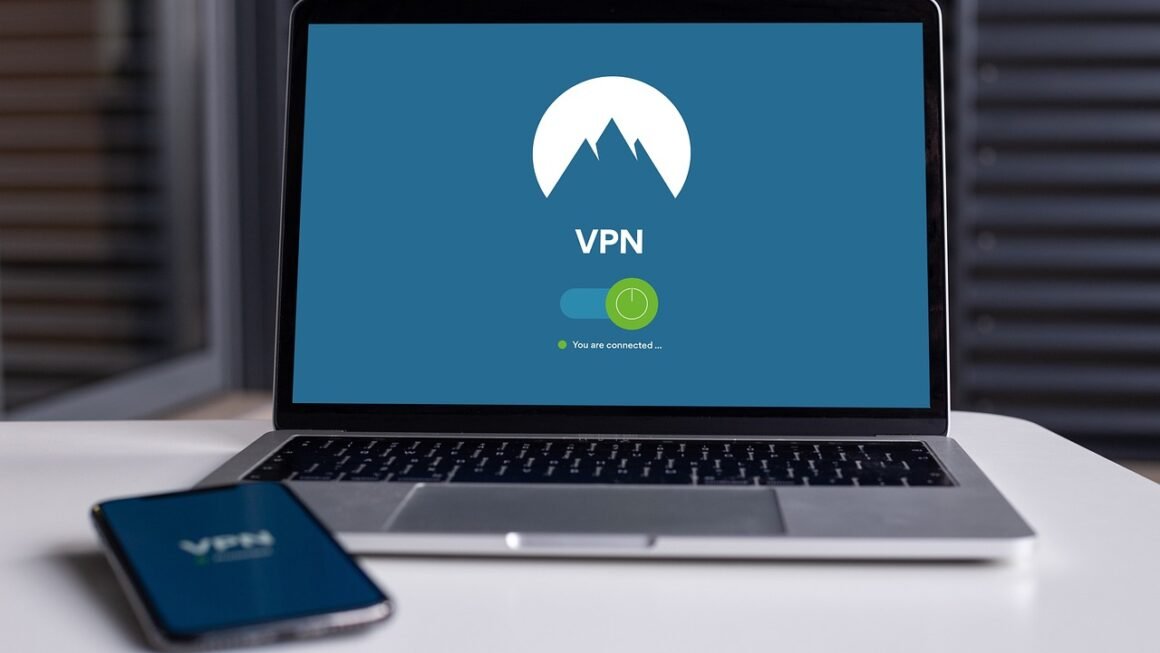
- Use a VPN: A Virtual Private Network (VPN) encrypts your internet traffic, making it more difficult for attackers to intercept your video calls.
Choosing a Secure Video Calling Platform
Selecting a video calling platform that prioritizes security is paramount.
Key Security Features to Look For
When evaluating video calling platforms, consider the following security features:
- End-to-End Encryption (E2EE): As mentioned earlier, E2EE is a crucial security feature.
- Data Privacy Policies: Review the platform’s data privacy policies to understand how your data is collected, used, and stored.
- Compliance Certifications: Look for platforms that comply with industry-standard security certifications, such as SOC 2 or HIPAA.
- Security Audits: Check if the platform undergoes regular security audits by independent third parties.
Popular Secure Video Calling Platforms
Here are a few popular video calling platforms known for their strong security features:
- Signal: Known for its commitment to privacy and E2EE by default.
- Jitsi Meet: An open-source platform that allows you to host your own video conferencing server, giving you greater control over your data.
- Wire: A secure collaboration platform that offers E2EE for video calls and messaging.
Best Practices for Secure Video Calls
Beyond technical security measures, adopting secure video calling habits is essential.
Before the Call
- Verify Participants: Ensure you know and trust all participants on the call.
- Secure Your Environment: Choose a private and quiet location for your video call to minimize the risk of eavesdropping.
- Disable Unnecessary Features: Disable features like screen sharing or file transfer if they are not needed for the call.
- Use a Strong and Unique Meeting ID/Link: Avoid using easily guessable meeting IDs or sharing the link publicly.
During the Call
- Be Aware of Your Surroundings: Be mindful of what is visible in your background and avoid sharing sensitive information.
- Monitor Participants: Pay attention to who is present on the call and be wary of any suspicious activity.
- Use Headphones: Using headphones can help prevent audio from being leaked to your surroundings.
- Mute When Not Speaking: Mute your microphone when you are not speaking to minimize background noise and potential eavesdropping.
After the Call
- Secure Recordings: If you record the video call, ensure the recording is stored securely with appropriate access controls.
- Erase Temporary Files: Clear any temporary files created by the video conferencing software.
- Report Suspicious Activity: If you suspect any security breaches or suspicious activity, report it to the video conferencing platform and relevant authorities.
Conclusion
Securing your video calls is not just a matter of convenience; it’s a necessity in today’s digital landscape. By understanding the potential risks, implementing essential security measures, choosing a secure video calling platform, and adopting secure video calling habits, you can significantly enhance the privacy and security of your video communications. Prioritizing security ensures that your video calls remain private, protected, and free from unwanted access. Taking proactive steps will contribute to a safer and more secure online experience.