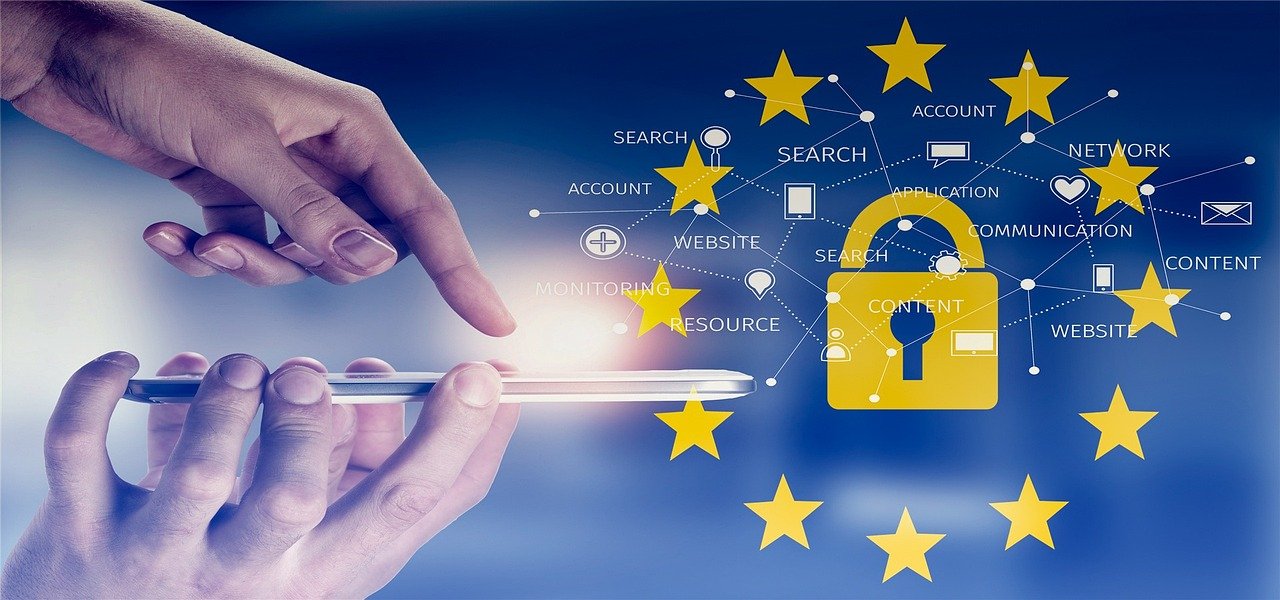
In today’s digital age, data is the new currency. From online shopping and social media interactions to healthcare records and financial transactions, we constantly generate vast amounts of data. However, this proliferation of data also raises critical concerns about data privacy – the right of individuals to control how their personal information is collected, used, and shared. Understanding data privacy is no longer optional; it’s essential for both individuals and businesses to navigate the digital landscape responsibly and ethically.
Understanding Data Privacy: What It Means and Why It Matters
What is Data Privacy?
Data privacy refers to the appropriate use of data. It involves protecting personal information from unauthorized access, use, disclosure, modification, or destruction. It goes beyond simply securing data; it also encompasses the ethical and legal obligations surrounding data collection, storage, and processing.
- Confidentiality: Ensuring that data is only accessible to authorized individuals.
- Integrity: Maintaining the accuracy and completeness of data.
- Availability: Making data accessible to authorized users when needed.
Why is Data Privacy Important?
Data privacy is crucial for several reasons:
- Protecting Individual Rights: It empowers individuals to control their personal information and prevent misuse.
- Building Trust: Businesses that prioritize data privacy build stronger relationships with their customers.
- Preventing Identity Theft and Fraud: Robust data privacy practices reduce the risk of sensitive information falling into the wrong hands.
- Maintaining Reputational Integrity: Data breaches can severely damage a company’s reputation and erode customer trust.
- Ensuring Legal Compliance: Numerous data privacy regulations, such as GDPR and CCPA, mandate specific data protection measures.
- Example: Imagine a social media platform that collects users’ location data without their explicit consent and sells it to advertisers. This violates data privacy principles and could lead to unwanted surveillance or targeted advertising.
Key Data Privacy Regulations Around the World
General Data Protection Regulation (GDPR)
The GDPR is a landmark data privacy regulation implemented in the European Union (EU). It applies to any organization that processes the personal data of EU residents, regardless of where the organization is located.
- Key Principles:
Lawfulness, fairness, and transparency: Data processing must be lawful, fair, and transparent to the data subject.
Purpose limitation: Data can only be collected for specified, explicit, and legitimate purposes.
Data minimization: Only necessary data should be collected and processed.
Accuracy: Data must be accurate and kept up to date.
Storage limitation: Data should only be stored for as long as necessary.
Integrity and confidentiality: Data must be processed securely.
Accountability: Data controllers are responsible for demonstrating compliance with the GDPR.
- Individual Rights under GDPR:
Right to access
Right to rectification
Right to erasure (“right to be forgotten”)
Right to restrict processing
Right to data portability
Right to object
- Example: A company that wants to send marketing emails to EU residents must obtain their explicit consent before collecting their email addresses. They must also provide a clear and easy way for individuals to unsubscribe from the mailing list.
California Consumer Privacy Act (CCPA) and California Privacy Rights Act (CPRA)
The CCPA and CPRA are California state laws that grant California residents significant rights over their personal information.
- Key Rights under CCPA/CPRA:
Right to know what personal information is being collected about them.
Right to delete personal information.
Right to opt-out of the sale of their personal information.
Right to correct inaccurate personal information.
Right to limit the use of their sensitive personal information.
- Scope: The CCPA/CPRA applies to businesses that do business in California and meet certain thresholds (e.g., annual gross revenues exceeding $25 million, buying or selling personal information of 100,000 or more California residents).
- Example: A California resident can request a company to disclose all the personal information it has collected about them, and the company must provide that information free of charge.
Other Notable Regulations
- PIPEDA (Canada): Personal Information Protection and Electronic Documents Act
- LGPD (Brazil): Lei Geral de Proteção de Dados
- APPI (Japan): Act on the Protection of Personal Information
Understanding these regulations is crucial for businesses operating globally to ensure compliance and avoid hefty fines.
Data Privacy Best Practices for Individuals
Protecting Your Personal Information Online
Individuals can take several steps to protect their data privacy online:
- Use Strong Passwords: Create unique and complex passwords for each online account. Use a password manager to store and manage your passwords securely.
- Enable Two-Factor Authentication (2FA): Add an extra layer of security to your accounts by requiring a second verification method, such as a code sent to your phone.
- Review Privacy Settings: Regularly review and adjust the privacy settings on your social media accounts, web browsers, and other online services.
- Be Mindful of What You Share: Think twice before sharing personal information online, especially on social media.
- Use a VPN: A Virtual Private Network (VPN) encrypts your internet traffic and hides your IP address, making it more difficult for others to track your online activity.
- Be Wary of Phishing Scams: Be cautious of suspicious emails, links, or attachments. Never provide personal information unless you are certain the source is legitimate.
- Keep Software Updated: Regularly update your operating system, web browser, and other software to patch security vulnerabilities.
- Example: Before posting a photo on social media, consider who will be able to see it and whether it contains any sensitive information, such as your location or address.
Understanding Website Cookies and Tracking
- What are Cookies? Small text files that websites store on your device to remember information about you, such as your login details, preferences, and browsing history.
- Types of Cookies:
First-party cookies: Set by the website you are visiting.
Third-party cookies: Set by a different domain than the website you are visiting, often used for tracking and advertising.
- Managing Cookies: You can control cookies through your web browser settings. You can choose to block all cookies, accept only first-party cookies, or clear cookies regularly.
- Tracking Technologies: Websites and apps use various tracking technologies to collect data about your online behavior, such as browser fingerprinting and web beacons. Use privacy-focused browsers and browser extensions to limit tracking.
- Actionable Takeaway: Regularly clear your browser cookies and cache to remove tracking data and protect your privacy.
Data Privacy Best Practices for Businesses
Implementing a Data Privacy Program
Businesses must implement a comprehensive data privacy program to comply with regulations and protect customer data.
- Data Inventory: Identify and document all the personal data your organization collects, processes, and stores.
- Privacy Policy: Create a clear and transparent privacy policy that explains how you collect, use, and share personal data. Make it easily accessible to customers.
- Data Security Measures: Implement robust security measures to protect data from unauthorized access, use, disclosure, modification, or destruction. This includes encryption, access controls, and regular security audits.
- Data Breach Response Plan: Develop a plan for responding to data breaches, including notification procedures, containment strategies, and remediation efforts.
- Employee Training: Train employees on data privacy policies and procedures.
- Data Subject Rights Requests: Establish procedures for handling data subject rights requests, such as access, deletion, and correction requests.
- Vendor Management: Assess the data privacy practices of third-party vendors that process personal data on your behalf.
- Example: A company collecting customer data should implement strong encryption to protect the data while it is in transit and at rest. They should also restrict access to the data to authorized personnel only.
Conducting Privacy Impact Assessments (PIAs)
- What is a PIA? A systematic process for evaluating the potential privacy risks of a project or initiative that involves the processing of personal data.
- When to Conduct a PIA: Before launching a new product, service, or system that involves the processing of personal data.
- Benefits of PIAs:
Identify and mitigate privacy risks early in the development process.
Ensure compliance with data privacy regulations.
Build trust with customers.
- Actionable Takeaway: Integrate PIAs into your project management process to proactively address data privacy concerns.
Conclusion
In conclusion, data privacy is a critical issue that affects everyone in the digital age. By understanding the principles of data privacy, following best practices, and complying with relevant regulations, individuals and businesses can protect personal information and build a more trustworthy and secure digital environment. Staying informed about evolving privacy laws and technologies is an ongoing process, but one that is essential for responsible data handling and a thriving digital society. Proactive measures and a commitment to ethical data practices are key to navigating the complexities of data privacy in today’s world.