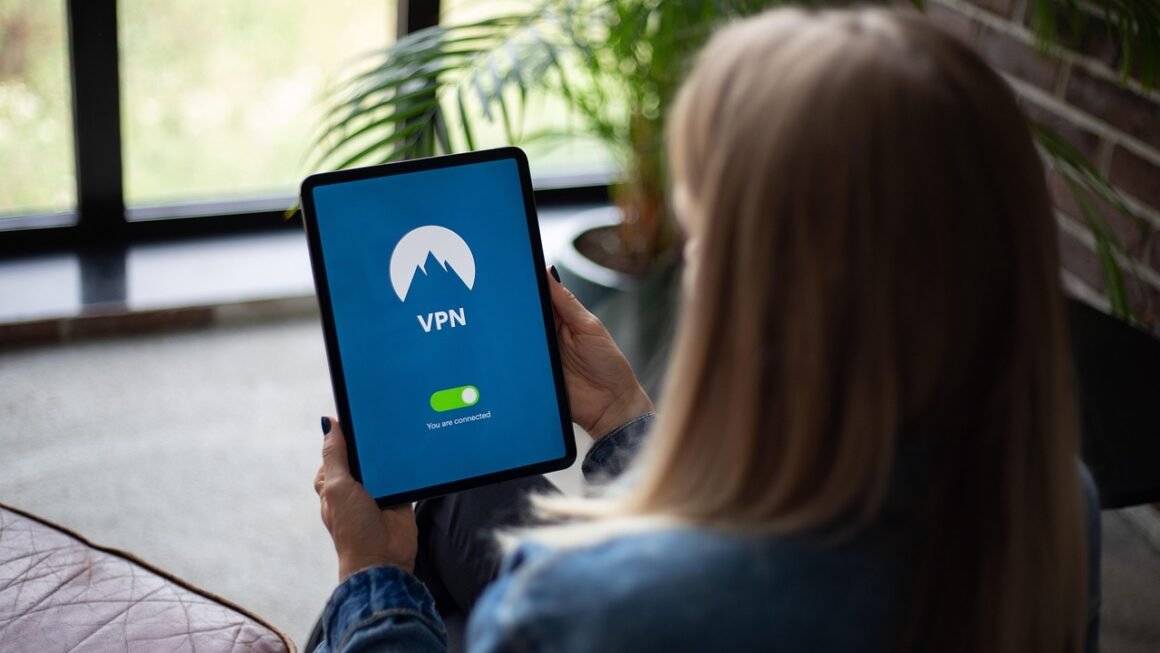
VPN software is no longer just a tool for tech enthusiasts; it’s become a necessity for anyone seeking privacy, security, and unrestricted access to online content. As our lives increasingly move online, understanding and utilizing a Virtual Private Network (VPN) is crucial for protecting your digital footprint and enjoying a truly open internet experience. This guide will delve into the world of VPNs, exploring their functionality, benefits, and how to choose the right one for your needs.
What is VPN Software?
Defining a Virtual Private Network
At its core, a VPN creates a secure, encrypted connection between your device and a remote server. Think of it as a private tunnel through the public internet. All your internet traffic is routed through this tunnel, masking your IP address and encrypting your data. This prevents third parties, such as your ISP, government agencies, or hackers, from monitoring your online activities.
How VPNs Work: A Simplified Explanation
Here’s a breakdown of the process:
- Your device connects to the VPN server.
- The VPN server assigns your device a new IP address.
- All your internet traffic is encrypted.
- Your traffic is routed through the VPN server.
- The website or service you access sees the VPN server’s IP address, not your own.
Essentially, a VPN acts as an intermediary, shielding your identity and protecting your data from prying eyes. Common protocols used for establishing VPN connections include OpenVPN, IKEv2/IPsec, WireGuard, and L2TP/IPsec. Each protocol offers different levels of security and speed, with WireGuard often being cited for its modern and efficient design.
Benefits of Using a VPN
Enhanced Online Privacy
One of the primary benefits of using a VPN is enhanced online privacy. Your ISP can track your browsing history and potentially sell this data to advertisers. A VPN prevents this by encrypting your traffic and masking your IP address. For example, if you’re using public Wi-Fi at a coffee shop, a VPN can protect your sensitive information, like passwords and credit card details, from being intercepted by hackers on the same network.
Increased Security
VPNs provide a crucial layer of security, especially when using public Wi-Fi networks, which are notoriously vulnerable to cyberattacks. The encryption provided by a VPN makes it significantly harder for hackers to steal your data. Imagine you’re traveling and need to access your bank account through an unsecured public Wi-Fi. Using a VPN ensures that your login credentials and financial information are encrypted and protected.
Accessing Geo-Restricted Content
Many websites and streaming services restrict access based on your location. A VPN allows you to bypass these restrictions by connecting to a server in a different country. For example, if you’re traveling abroad and want to watch your favorite show on a streaming service that’s only available in your home country, you can connect to a VPN server in your home country and access the content as if you were there. This is also useful for accessing news sites or social media platforms that might be blocked in certain regions.
Bypassing Censorship
In countries with strict internet censorship, VPNs can be used to bypass restrictions and access blocked websites and social media platforms. By connecting to a server in a country with a free and open internet, users can circumvent censorship and access information freely. This is particularly crucial for journalists, activists, and individuals living under oppressive regimes.
Choosing the Right VPN Software
Key Features to Consider
When selecting a VPN, consider the following features:
- Strong Encryption: Look for a VPN that uses AES-256 encryption, which is considered the industry standard.
- No-Logs Policy: Ensure the VPN provider has a strict no-logs policy, meaning they don’t track or store your browsing history, IP address, or other personal information.
- Server Locations: Choose a VPN with a wide range of server locations to access content from different regions and optimize your connection speed.
- Speed and Bandwidth: Opt for a VPN that offers fast connection speeds and unlimited bandwidth for seamless streaming and browsing.
- Device Compatibility: Make sure the VPN is compatible with your devices, including computers, smartphones, and tablets. Many VPNs offer apps for various operating systems.
- Customer Support: Choose a VPN provider with reliable customer support, preferably available 24/7 via live chat or email.
- Kill Switch: A kill switch automatically disconnects your internet connection if the VPN connection drops, preventing your IP address from being exposed.
Free vs. Paid VPNs
While free VPNs might seem appealing, they often come with significant limitations and risks. Free VPNs may:
- Log and sell your browsing data.
- Display intrusive ads.
- Limit your bandwidth and speed.
- Offer fewer server locations.
- Have weaker security features.
Paid VPNs, on the other hand, typically offer:
- Stronger security and privacy protection.
- Faster speeds and unlimited bandwidth.
- More server locations.
- No ads.
- Better customer support.
It’s generally recommended to opt for a reputable paid VPN provider to ensure your privacy and security.
Research and Reviews
Before committing to a VPN, do your research. Read reviews from trusted sources and compare different providers based on their features, performance, and pricing. Consider factors like user ratings, expert opinions, and independent audits of the VPN’s security and privacy practices. Sites like TechRadar, PCMag, and CNET offer comprehensive VPN reviews.
Setting Up and Using VPN Software
Installation and Configuration
Most VPN providers offer user-friendly apps for various operating systems. The installation process is typically straightforward:
- Download the VPN app from the provider’s website or app store.
- Install the app on your device.
- Create an account or log in with your existing credentials.
- Choose a server location from the list.
- Connect to the VPN.
Some VPNs also allow you to configure the connection manually using VPN protocols like OpenVPN. This requires more technical knowledge but can offer greater customization.
Best Practices for VPN Usage
To maximize the benefits of your VPN, follow these best practices:
- Always connect to the VPN when using public Wi-Fi.
- Choose a server location that’s close to your actual location for optimal speed.
- Enable the kill switch to prevent data leaks if the VPN connection drops.
- Regularly update your VPN app to ensure you have the latest security patches.
- Be aware of your online activity and avoid visiting suspicious websites, even with a VPN.
Troubleshooting Common Issues
If you encounter issues with your VPN, try the following troubleshooting steps:
- Check your internet connection.
- Try connecting to a different server location.
- Restart your VPN app.
- Clear your browser cache and cookies.
- Contact your VPN provider’s customer support.
VPNs and the Law
Legal Considerations
The legality of using a VPN varies from country to country. In most countries, using a VPN is perfectly legal, but in some regions, such as China and Russia, VPNs are either restricted or outright banned. It’s important to research the laws regarding VPN usage in your country or any country you plan to visit.
Ethical Considerations
While using a VPN is generally considered ethical, it’s important to use it responsibly and avoid engaging in illegal activities. Using a VPN to bypass copyright restrictions, engage in hacking, or commit fraud is unethical and potentially illegal. Responsible VPN usage involves protecting your privacy and security without infringing on the rights of others.
Conclusion
VPN software is an indispensable tool for anyone seeking to protect their online privacy, security, and freedom. By understanding how VPNs work, the benefits they offer, and how to choose the right one for your needs, you can take control of your digital footprint and enjoy a safer, more open internet experience. Remember to prioritize security features, choose a reputable provider, and use your VPN responsibly.