In today’s increasingly digital world, personal data is a valuable commodity, and the need to protect your online privacy has never been more critical. From browsing history and location data to personal communications and financial information, a vast amount of your life is stored online. Understanding and utilizing privacy tools is essential for safeguarding your sensitive information and maintaining control over your digital footprint. This guide explores essential privacy tools, offering practical advice and actionable steps to enhance your online security.
Understanding the Need for Privacy Tools
The Importance of Digital Privacy
Digital privacy is the right to control how your personal information is collected, used, and shared. Without proper safeguards, your data can be exposed to various risks, including:
- Data Breaches: Major corporations and institutions are frequent targets of cyberattacks, potentially exposing your personal information.
- Identity Theft: Stolen personal data can be used to open fraudulent accounts, apply for credit, and commit other crimes.
- Surveillance: Governments and corporations may monitor your online activities, raising concerns about freedom of expression and personal autonomy.
- Targeted Advertising: Your browsing habits and personal data are often used to deliver highly personalized advertisements, potentially manipulating your purchasing decisions.
For example, according to the Identity Theft Resource Center, data breaches have consistently risen over the past several years, impacting millions of individuals. Taking proactive steps to protect your privacy is crucial.
Common Privacy Threats
Understanding the different types of privacy threats is the first step towards protecting yourself. Common threats include:
- Tracking Cookies: Websites use cookies to track your browsing activity, allowing advertisers to build a profile of your interests.
- Phishing Scams: Cybercriminals use deceptive emails and websites to trick you into revealing personal information.
- Malware: Malicious software can steal your data, monitor your online activity, and even take control of your device.
- Unencrypted Communications: Sending emails or messages over unencrypted connections can expose your data to interception.
Essential Privacy Tools for Browsing
Virtual Private Networks (VPNs)
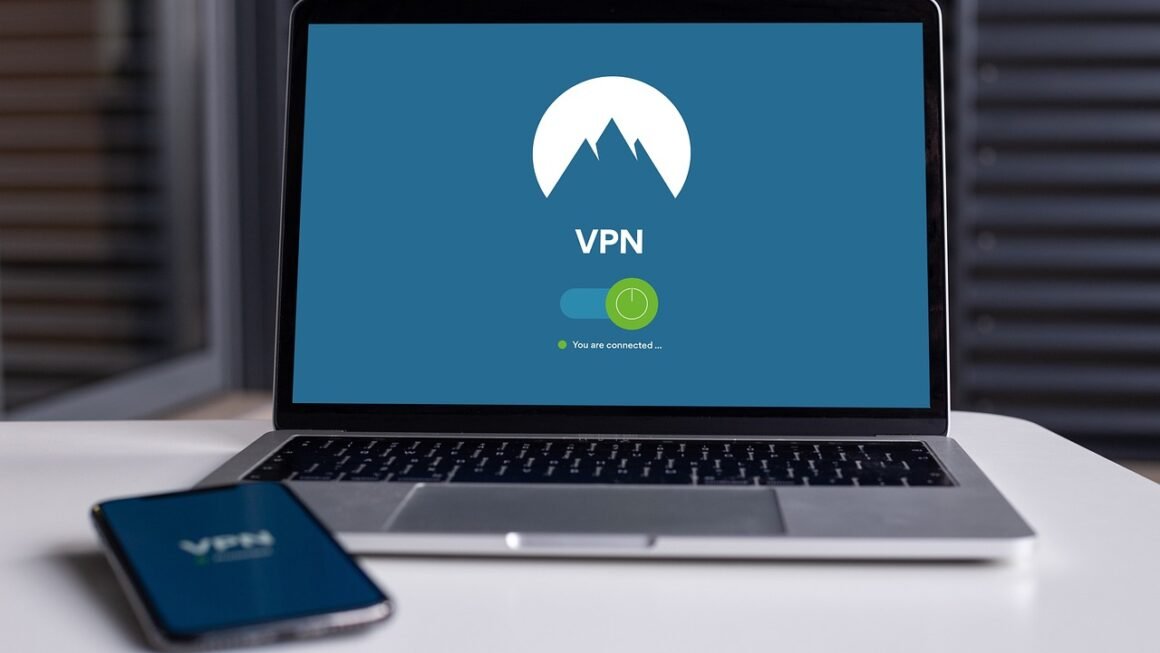
A VPN encrypts your internet traffic and routes it through a server in a location of your choosing, masking your IP address and protecting your data from prying eyes. Using a VPN offers several benefits:
- Enhanced Security: Encrypts your internet connection, protecting your data from hackers and eavesdroppers, especially on public Wi-Fi networks.
- IP Address Masking: Hides your actual IP address, making it difficult to track your online activity.
- Bypassing Geoblocks: Allows you to access content that is restricted in your region.
Example: When traveling, using a VPN on public Wi-Fi at airports or cafes prevents your data from being easily intercepted by malicious actors.
Privacy-Focused Browsers
Standard browsers often prioritize convenience over privacy. Privacy-focused browsers, like Brave and DuckDuckGo, offer enhanced privacy features by default.
- Brave Browser: Blocks trackers and intrusive ads, offers built-in VPN (paid), and includes a crypto wallet.
- DuckDuckGo Browser: Blocks trackers, offers email protection, and provides a privacy grade for websites you visit.
- Tor Browser: Routes your traffic through a network of relays, making it virtually impossible to trace your IP address (suitable for high-level privacy needs).
Example: Switching from Chrome to Brave can significantly reduce the amount of tracking and advertising you encounter while browsing the web.
Browser Extensions
Browser extensions can add extra layers of privacy protection to your existing browser.
- Privacy Badger: Automatically learns to block trackers based on their behavior.
- uBlock Origin: An efficient ad blocker that also blocks trackers and malware domains.
- HTTPS Everywhere: Forces websites to use HTTPS encryption whenever possible, protecting your data during transmission.
Example: Installing Privacy Badger in Chrome can help prevent third-party trackers from following you around the web.
Securing Your Communications
Encrypted Messaging Apps
Standard messaging apps often lack end-to-end encryption, making your messages vulnerable to interception. Encrypted messaging apps offer a more secure alternative.
- Signal: Widely regarded as one of the most secure messaging apps, using end-to-end encryption by default.
- WhatsApp: Offers end-to-end encryption, though it’s owned by Facebook (Meta) and raises some privacy concerns.
- Telegram: Offers end-to-end encryption in “Secret Chats,” but standard chats are not encrypted by default.
Example: Using Signal for sensitive conversations ensures that only you and the recipient can read your messages.
Encrypted Email Services
Standard email services like Gmail and Yahoo Mail may scan your emails for advertising purposes. Encrypted email services offer a more private alternative.
- ProtonMail: Based in Switzerland, ProtonMail offers end-to-end encryption and zero-access encryption, meaning even ProtonMail cannot read your emails.
- Tutanota: Another secure email provider based in Germany, offering similar encryption features to ProtonMail.
Example: Switching to ProtonMail for sensitive communications ensures that your emails are protected from prying eyes.
Managing Your Data and Accounts
Password Managers
Using strong, unique passwords for each of your accounts is crucial for preventing account breaches. Password managers can help you generate and store strong passwords securely.
- LastPass: A popular password manager that offers a free and premium version.
- 1Password: Another leading password manager with a strong focus on security and usability.
- Bitwarden: An open-source password manager that offers a free and paid version.
Example: Using LastPass to generate and store passwords for all your online accounts eliminates the need to remember dozens of complex passwords.
Two-Factor Authentication (2FA)
Two-factor authentication adds an extra layer of security to your accounts by requiring a second verification code in addition to your password.
- SMS-based 2FA: Receives a verification code via SMS (less secure).
- Authenticator Apps: Uses an app like Google Authenticator or Authy to generate verification codes (more secure).
- Hardware Security Keys: Uses a physical device like a YubiKey to verify your identity (most secure).
Example: Enabling 2FA on your Gmail account requires you to enter a code from your authenticator app in addition to your password, making it much harder for hackers to access your account.
Reviewing Privacy Settings
Regularly review and adjust the privacy settings on your social media accounts, email accounts, and other online services.
- Limit the information you share: Reduce the amount of personal information you post online.
- Adjust privacy settings: Restrict who can see your posts, photos, and other content.
- Disable location tracking: Prevent apps and services from tracking your location.
Example: Regularly checking and adjusting your Facebook privacy settings can help prevent your personal information from being shared with unwanted parties.
Additional Privacy Measures
Using a Search Engine That Doesn’t Track You
Switching to a search engine that doesn’t track your searches can significantly improve your privacy.
- DuckDuckGo: Doesn’t track your searches or personalize search results based on your browsing history.
- Startpage: Uses Google’s search results but anonymizes your searches, protecting your privacy.
Example: Replacing Google with DuckDuckGo as your default search engine prevents your search queries from being tracked and used for targeted advertising.
Regularly Clearing Your Browsing Data
Regularly clearing your browsing history, cookies, and cache can help prevent websites from tracking your online activity.
- Manual Clearing: Manually clear your browsing data through your browser’s settings.
- Automated Clearing: Configure your browser to automatically clear your browsing data when you close it.
Example: Clearing your browser’s cookies every week can help prevent websites from tracking your browsing habits.
Conclusion
Protecting your online privacy is an ongoing process that requires vigilance and the use of appropriate tools. By understanding the threats you face and implementing the privacy measures outlined in this guide, you can significantly enhance your online security and maintain control over your personal data. From using VPNs and encrypted messaging apps to managing your passwords and reviewing your privacy settings, every step you take contributes to a more secure and private online experience. It’s essential to stay informed about the latest privacy threats and adapt your strategies accordingly. Your digital privacy is worth protecting.