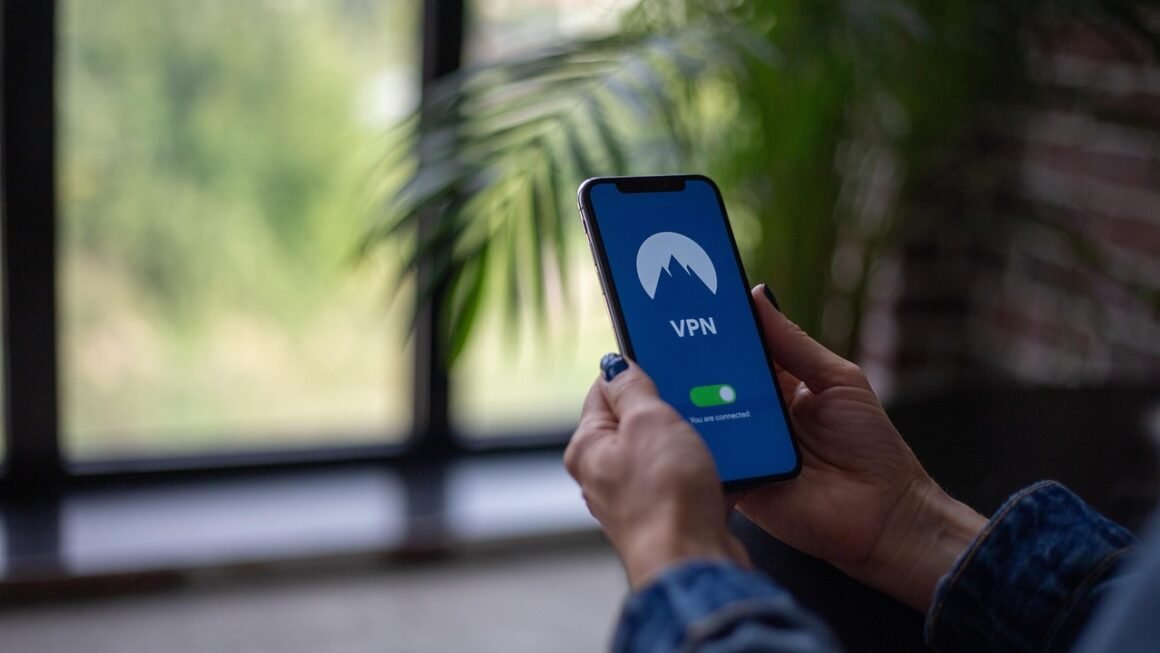
Choosing the right VPN plan can feel like navigating a complex maze. With a plethora of options promising online security and privacy, it’s crucial to understand the nuances of each plan to make an informed decision that aligns with your specific needs and budget. This guide delves into the intricacies of VPN plans, helping you decipher the jargon and select the perfect fit for your online activities.
Understanding Different VPN Plan Types
VPN providers offer a variety of subscription models, each designed to cater to different usage patterns and budget constraints. Understanding these options is the first step towards finding the right VPN plan for you.
Monthly Subscriptions
- Description: The most flexible option, monthly subscriptions allow you to pay on a month-to-month basis.
- Pros:
Low initial investment, ideal for short-term needs like travel.
Easy to cancel or change providers if you’re not satisfied.
Allows you to test the VPN service before committing to a longer plan.
- Cons:
Typically the most expensive option per month.
May lack some features offered in longer-term plans.
- Example: Using a VPN for a month while traveling internationally to protect your data on public Wi-Fi.
Yearly Subscriptions
- Description: Committing to a year-long subscription often results in significant cost savings.
- Pros:
Lower monthly cost compared to monthly subscriptions.
Often includes access to premium features.
Offers stability and uninterrupted service.
- Cons:
Requires a larger upfront payment.
Less flexibility if your needs change during the year.
- Example: A user who regularly works remotely and needs consistent VPN protection for their online activities.
Multi-Year Subscriptions
- Description: The most cost-effective option, multi-year plans offer the biggest discounts in exchange for a longer commitment.
- Pros:
The lowest possible monthly cost.
Guarantees long-term VPN access at a fixed price.
Often bundled with additional security features.
- Cons:
Requires a substantial upfront investment.
Significant financial loss if you cancel early (though some offer prorated refunds).
- Example: A family looking for long-term online security and privacy for all their devices.
Key Features to Consider in a VPN Plan
Beyond pricing, the features offered by a VPN plan are crucial in determining its suitability for your specific needs.
Server Locations and Speed
- Server Locations: The more server locations a VPN offers, the greater your ability to bypass geo-restrictions and access content from around the world.
Example: A user in the US wanting to access a UK-only streaming service would need a VPN with UK server locations.
- Server Speed: Server speed directly impacts your browsing, streaming, and downloading experience. Choose a VPN with fast and reliable servers.
Tip: Look for VPNs that use protocols like WireGuard for faster speeds. Speedtest tools can help you measure actual speeds.
Security Protocols and Encryption
- Security Protocols: The protocol used by a VPN determines the level of security and encryption. Common protocols include OpenVPN, IKEv2, and WireGuard.
OpenVPN: Known for its robust security and compatibility.
IKEv2: Fast and stable, ideal for mobile devices.
WireGuard: A newer protocol offering excellent speed and security.
- Encryption: A strong encryption standard, such as AES-256, is essential for protecting your data.
Tip: Ensure your VPN uses AES-256 encryption, which is considered the industry standard.
Device Compatibility and Simultaneous Connections
- Device Compatibility: Ensure the VPN supports all your devices, including computers, smartphones, tablets, and routers.
- Simultaneous Connections: The number of devices you can connect to the VPN simultaneously is important for families or users with multiple devices.
Example: A family of four may need a VPN plan that supports at least 5 simultaneous connections.
Logging Policy
- No-Logs Policy: A strict no-logs policy means the VPN provider does not track or store your browsing activity, IP address, or connection timestamps.
Important: Look for VPNs with a verified no-logs policy that has been independently audited.
Evaluating the Cost-Effectiveness of VPN Plans
While price is a significant factor, it’s essential to consider the overall value proposition of a VPN plan.
Comparing Prices and Features
- Create a spreadsheet to compare the prices and features of different VPN providers.
- Consider the length of the subscription, the number of simultaneous connections, server locations, and included features.
Free VPNs vs. Paid VPNs
- Free VPNs: Often come with limitations such as slower speeds, limited server locations, and data caps. Some may even log your data and sell it to third parties.
- Paid VPNs: Offer better security, faster speeds, more server locations, and no data caps. They also typically have a strict no-logs policy.
- Recommendation: Opt for a paid VPN for enhanced security and a better overall experience. The nominal cost is well worth the protection.
Money-Back Guarantees and Trial Periods
- Many VPN providers offer money-back guarantees, allowing you to test the service risk-free.
- Some also offer free trial periods, giving you a chance to try out the VPN before committing to a subscription.
Actionable Takeaway: Take advantage of money-back guarantees and trial periods to test different VPNs and find the best fit for your needs.
Use Cases for Different VPN Plans
Different VPN plans are suitable for various user needs and scenarios. Here are some examples:
Privacy-Focused Users
- Needs: Strong encryption, a strict no-logs policy, and advanced features like a kill switch and DNS leak protection.
- Recommended Plan: A yearly or multi-year plan from a reputable VPN provider known for its commitment to privacy, such as ExpressVPN or NordVPN.
- Reasoning: Long-term security and consistent privacy are paramount for users prioritizing online anonymity.
Streaming Enthusiasts
- Needs: Fast server speeds, a wide range of server locations, and the ability to bypass geo-restrictions.
- Recommended Plan: A yearly or multi-year plan from a VPN provider optimized for streaming, such as Surfshark or CyberGhost.
- Reasoning: Bypassing geo-restrictions and maintaining stable, fast connections are essential for uninterrupted streaming.
Travelers
- Needs: Compatibility with multiple devices, secure connections on public Wi-Fi, and a wide range of server locations.
- Recommended Plan: A monthly or yearly plan from a VPN provider with user-friendly apps and a large server network.
- Reasoning: Short-term flexibility and reliable security are crucial for travelers using public Wi-Fi networks.
Gamers
- Needs: Low latency, fast server speeds, and DDoS protection.
- Recommended Plan: Choose a VPN provider that specializes in gaming and offers dedicated gaming servers with optimized performance.
- Reasoning: Gamers require minimal lag and robust protection against DDoS attacks.
Conclusion
Selecting the best VPN plan requires careful consideration of your individual needs, budget, and priorities. By understanding the different types of plans, key features, and cost-effectiveness, you can make an informed decision and protect your online privacy and security. Take advantage of free trials and money-back guarantees to test different VPNs and find the perfect fit for your specific use case. Remember, investing in a reputable VPN is an investment in your digital safety.